How States Are Protecting Freshwater Resources
Federal policy changes drive new regulations for wetlands and streams
/16x9_m.jpg?mw=1820&hash=4C8AC0442DCF39C08321E82F1DA91C38)
Throughout the country, states are stepping up to protect wetlands and streams by developing permitting and monitoring programs to safeguard water quality, support local economies, and strengthen community resilience in response to reductions in federal protections.
Federal oversight for clean water has waned in the wake of the U.S. Supreme Court’s 2023 Sackett v. Environmental Protection Agency decision, which removed safeguards for certain wetlands and seasonal streams. Additionally, subsequent federal regulatory changes have narrowed Clean Water Act protections for millions of acres of wetlands and streams and curtailed Tribal authority to safeguard their waters. In the wake of these changes, Colorado, New Mexico, and Washington, among other states, are advancing new policies to conserve critical freshwater resources.
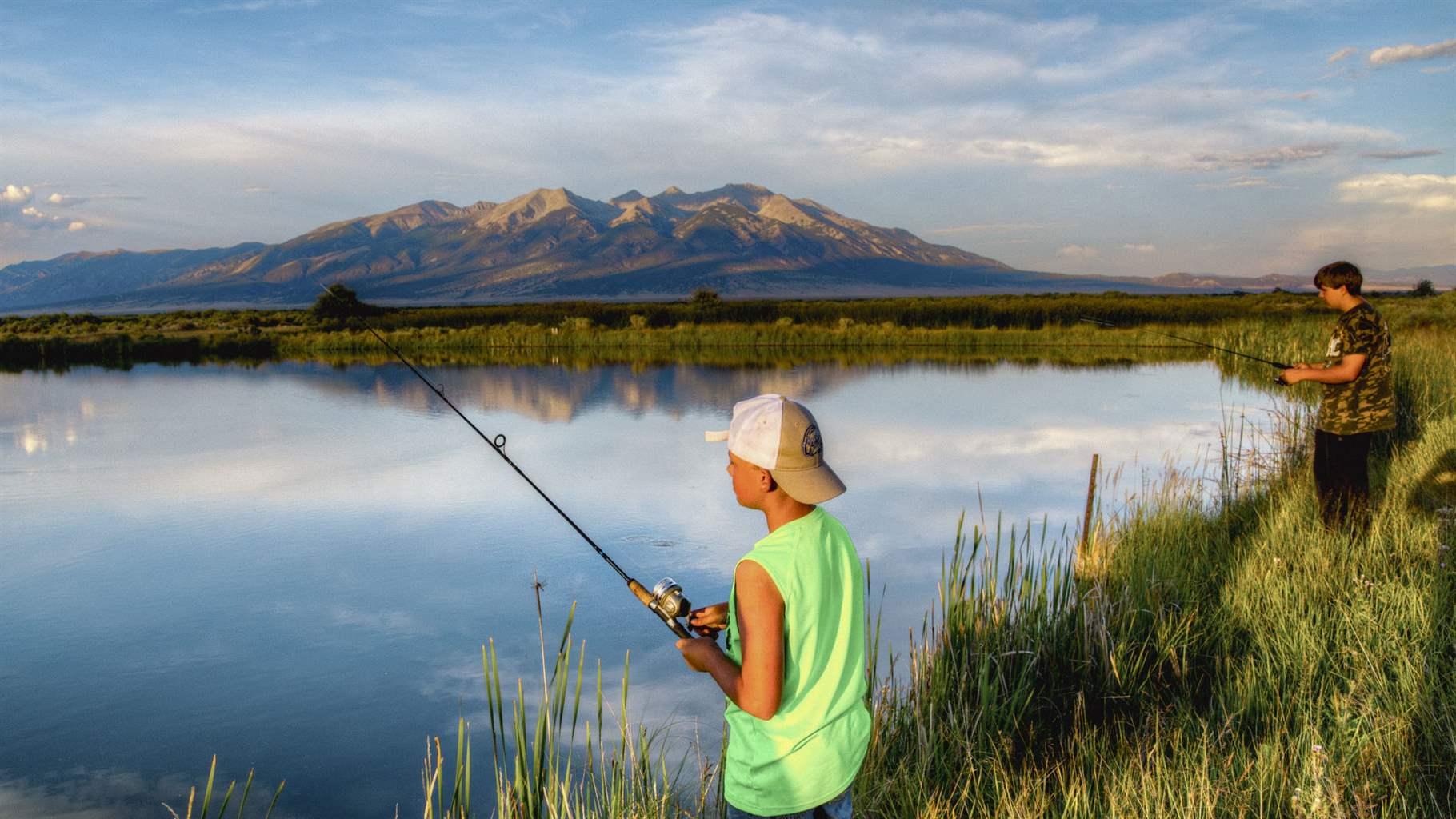
Healthy wetlands and waterways are essential for communities, particularly in rural and other underserved areas that are already at disproportionate risk from pollution and the effects of a changing climate. Healthy wetlands and waterways absorb floodwaters; maintain watershed health; support reliable water supplies; filter drinking water; strengthen resilience to extreme heat, drought, and other climate impacts; reduce infrastructure costs, support property values; and provide outdoor recreation opportunities that generate billions of dollars in economic activity nationwide.

State leaders in Colorado, New Mexico, Washington, and throughout the country are acting to implement strong freshwater safeguards that can deliver wide-ranging benefits—from protecting public health to sustaining jobs and local economies—that extend well beyond the water itself.
Colorado takes a leading role
Colorado was the first state to respond to the scaling back of Clean Water Act protections. In 2025, it established Regulation 87 to protect wetlands and seasonal streams against harm from unregulated development. The state’s Water Quality Control Commission adopted the rule, which requires permits for certain development projects and compels developers to identify and address impacts from the discharge of dredged or fill material into state waters.
The regulation provides firm protections for waters and wetlands in a state that ranks in the top 10 nationally for revenue derived from outdoor recreation, such as boating and fishing, and serves as a model for other states, especially those that also rely heavily on this industry.
New Mexico assumes control
In April 2025, New Mexico Governor Michelle Lujan Grisham (D) signed S.B. 21, the Pollutant Discharge Elimination System Act, which calls for a state permitting program to regulate discharges into waters no longer covered by the Clean Water Act and establishes state primacy for the issuing of discharge permits for waters that remain federally protected. The proposed permit program includes a framework for regulating end-of-pipe point-source discharges, such as those from wastewater treatment plants, as well as provisions to avoid, minimize, and mitigate discharges from earth-moving activities that alter landscapes or water flows near wetlands and other waterways.

Protected lands and waters generate $3.2 billion in annual economic activity and support nearly 30,000 jobs in New Mexico, facts that helped drive state action. New Mexico policymakers are now developing new regulations, with direct input from state-based nonprofit organizations and clean-water advocates, to implement the act, marking a significant step toward putting the state’s freshwater protections into practice.
Washington pursues a similar path
In 2025, the Washington Department of Ecology launched an effort to create a new comprehensive permitting program for aquatic resources, aiming to regulate projects that could affect wetlands, streams, and other state waters. The rulemaking effort, which coincided with significant and costly flooding earlier in the year, reflects growing recognition of how wetlands can protect communities, infrastructure, and clean water sources during flood events. The public will have opportunities during 2026 and 2027 to weigh in on the draft rule and to ensure that the resulting program protects Washington’s critical water resources.
The efforts of Colorado, New Mexico, and Washington reflect an emerging trend in which states not only are responding to federal policy changes but also are proactively developing conservation strategies that prioritize local needs and concerns. The Pew Charitable Trusts partnered with organizations in Colorado and New Mexico to secure strong regulations and legislation, respectively, and is now working to advance conservation-oriented regulations for state permitting programs in New Mexico and Washington.

These and other state actions—often driven by partnerships among agencies, communities, and others working to secure long-term water protection and resilience—show a genuine commitment to developing freshwater programs and policies that work for their circumstances and needs. As drought and other weather-related challenges bear down on the West and elsewhere—and as the federal government continues to step back from freshwater oversight—states have a crucial window of time in the coming years to develop strategies to protect vital water resources for communities and nature.
Carrie Sandstedt is a senior officer and Andres Esparza and Annie Merrill are principal associates with The Pew Charitable Trusts’ U.S. conservation project.
People


