New Jersey REAL Can Enhance Long-Term Flood Resilience
Pew letter expresses support for Resilient Environments and Landscapes rules to strengthen preparedness

The Pew Charitable Trusts submitted comments May 7 in support of the continued implementation of New Jersey’s Resilient Environments and Landscapes (REAL) rules as a critical step toward preparing communities for growing flood risks. By integrating future climate conditions into permitting and development decisions, the REAL framework would help to ensure that new and redeveloped homes, infrastructure, and public facilities are better prepared for New Jersey’s flood risk realities.

Pew’s letter highlighted the importance of planning based on future—not just historical—flood conditions, which the REAL rules do by accounting for anticipated long-term changes in precipitation and inundation and requiring strengthened protection in at-risk areas. This forward-looking approach can limit avoidable damage and disruption and promote safer, more durable development in coastal and inland communities alike.
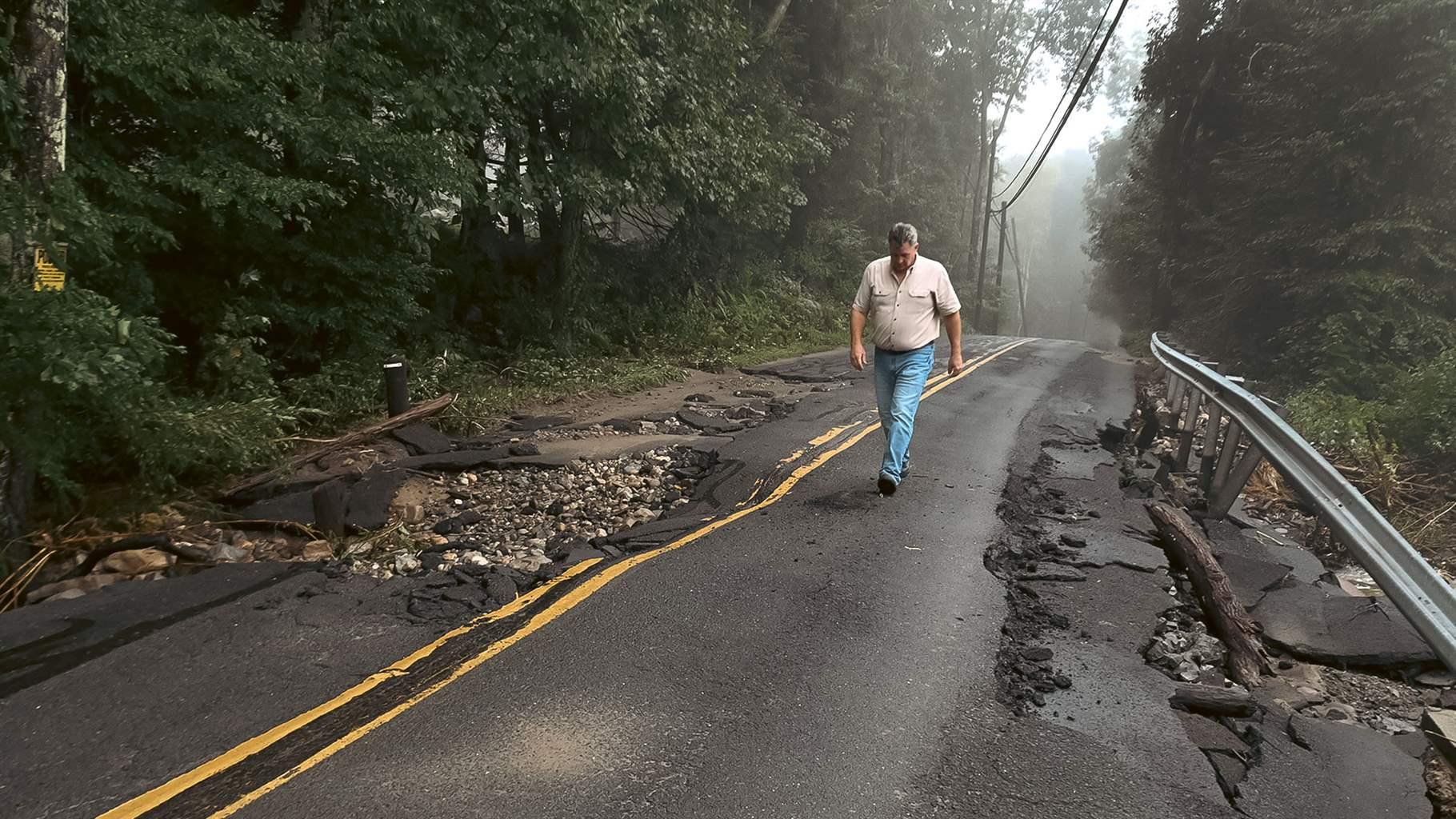
Pew’s letter also noted that embedding these standards into land use and permitting decisions can reduce long-term costs and strengthen community resilience. The rules are part of a broader statewide effort to integrate climate risk into policy, alongside resilience planning and interagency coordination, and their continued implementation would help to ensure a more resilient future in New Jersey.
People