.jpg?mw=1820&hash=064D04FB05CE88B0B7626C8FD88BEF7E)
It’s shaping up to be a banner year for humans and migrating animals that cross paths.
That’s because in 2026, four states—Utah, Virginia, Idaho, and Oregon—have made significant legislative progress on wildlife crossings. These overpasses and underpasses and strategically placed fencing allow animals to safely traverse busy highways and roads along their natural corridors in search of food, shelter, and mates.
Wildlife-vehicle collisions—most often with deer, elk, and moose—can result in costly damage and injuries as well as deaths for the people and animals involved. More than 1 million such incidents occur annually in the U.S., although that number is probably much higher due to unreported crashes. These accidents cause about 26,000 injuries and more than 200 deaths, and they cost more than $10 billion in repairs, medical care, and lost productivity, according to the U.S. Department of Transportation. In addition, infrastructure, such as highways that block migration paths, can lead to animal population declines and reduced biodiversity.
Adding wildlife crossings can reduce collisions by more than 90%, according to Scioto Analysis. A single wildlife crossing can prevent some 1,400 accidents over a 70-year lifespan, which translates into billions of dollars.
To build support for the state wildlife crossing bills, The Pew Charitable Trusts provided technical assistance to lawmakers and officials, including translating and leveraging data on wildlife-vehicle collisions, migration patterns, and project costs, to show the scale of the problem and demonstrate the value of dedicated funding. “Pew worked with state legislators over multiple sessions to help them understand the issues at stake and the options for effective, durable solutions,” says Nic Callero, who works on Pew’s U.S. conservation project.
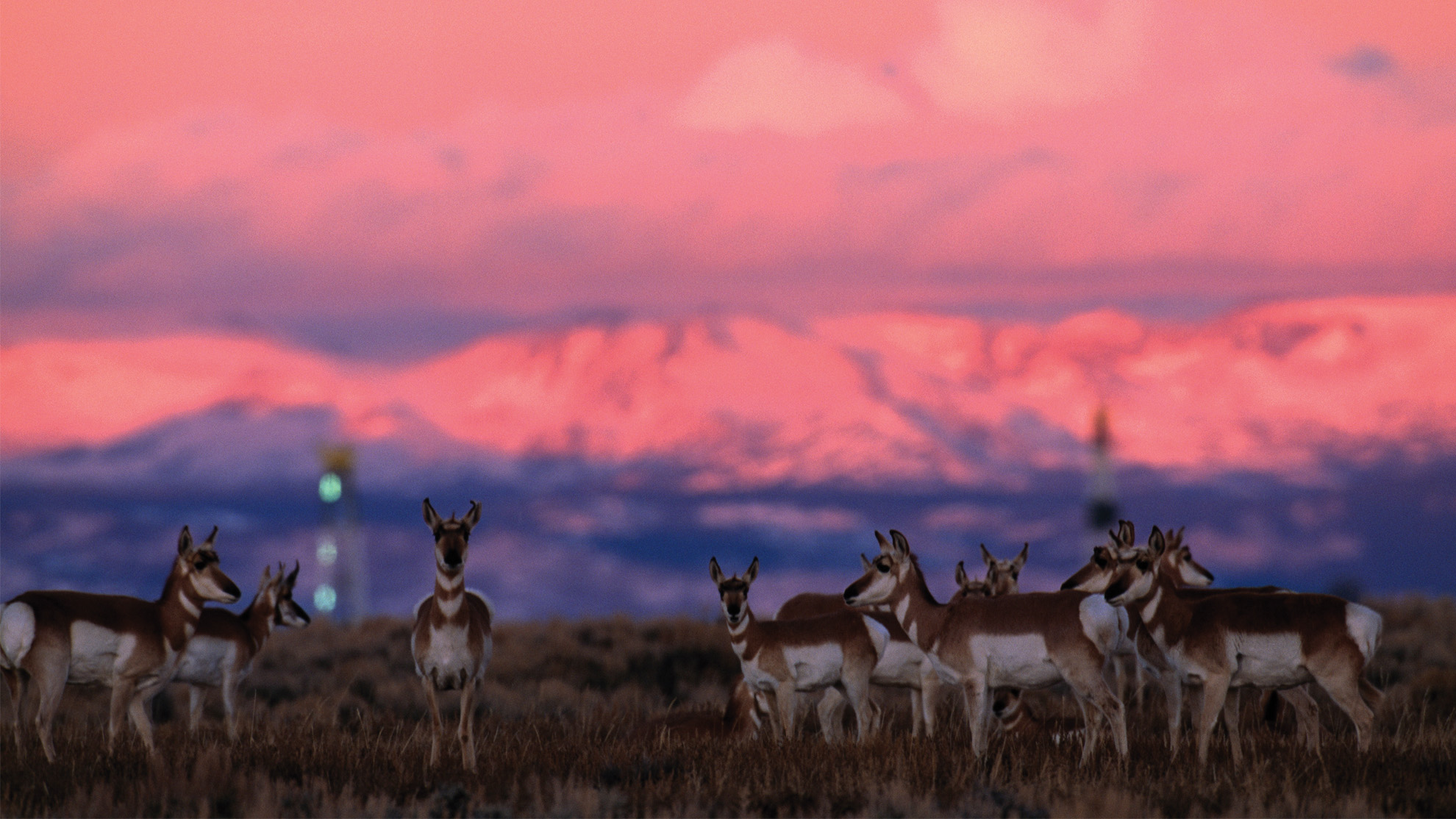
With bipartisan support, the Utah Legislature and Governor Spencer Cox (R) enacted major legislation that establishes a designated wildlife crossing fund, which will receive $2 million a year. Residents will also be able to contribute to this fund when applying for vehicle registrations, hunting licenses, and other permits. In addition, another law stipulates that new solar and wind projects must consider environmental impacts and consult with the Utah Division of Wildlife Resources before breaking ground. Vehicle collisions with animals—particularly mule deer—have cost Utahns nearly $138 million a year in health care and property damage, according to the Utah Department of Transportation.
In Virginia, costs and collisions are even higher: Some 60,000 crashes cost more than $533 million a year. In April, Governor Abigail Spanberger (D) signed legislation that designates a permanent fund for wildlife corridors. It can attract private grants and federal matching funds and also allows Virginians to make voluntary contributions through their DMVs and individual tax returns—all without tapping the state’s general fund or raising taxes.
In Idaho, where more than a thousand crashes each year cost nearly $150 million, lawmakers passed a resolution that supports investment in wildlife crossing infrastructure and helps address habitat fragmentation from roads, energy exploration, and residential construction that keeps animals from vital migration routes. Momentum for the move was fueled by a recently constructed wildlife overpass outside of Boise—a bridge with natural terrain that guides migrating elk, deer, and other animals away from State Highway 21’s 14,000 daily drivers and is expected to reduce collisions by 80%.
Farther west, Oregon is increasing a lodging tax by 1.25% beginning in January 2027 that will benefit nine conservation programs, which will fund, build, and improve wildlife infrastructure, undertake research to reduce wildlife-vehicle collisions, and reconnect bisected habitat. A bipartisan coalition of hunters, anglers, landowners, conservationists, and community leaders worked for more than a decade on the landmark act.
“These states offer blueprints for others to follow,” said Callero. “By dedicating resources to ensuring that wildlife corridors remain intact, state lawmakers are helping animal populations—and the humans who share their space—safely reach their destinations.”
Explore the Issue
This article is part of a magazine issue featuring in-depth stories and insights.
People


