Tennessee Enacts Legislation to Expand Market for Plastic Recycling
New law aims to reduce landfill waste and offer local economic opportunities

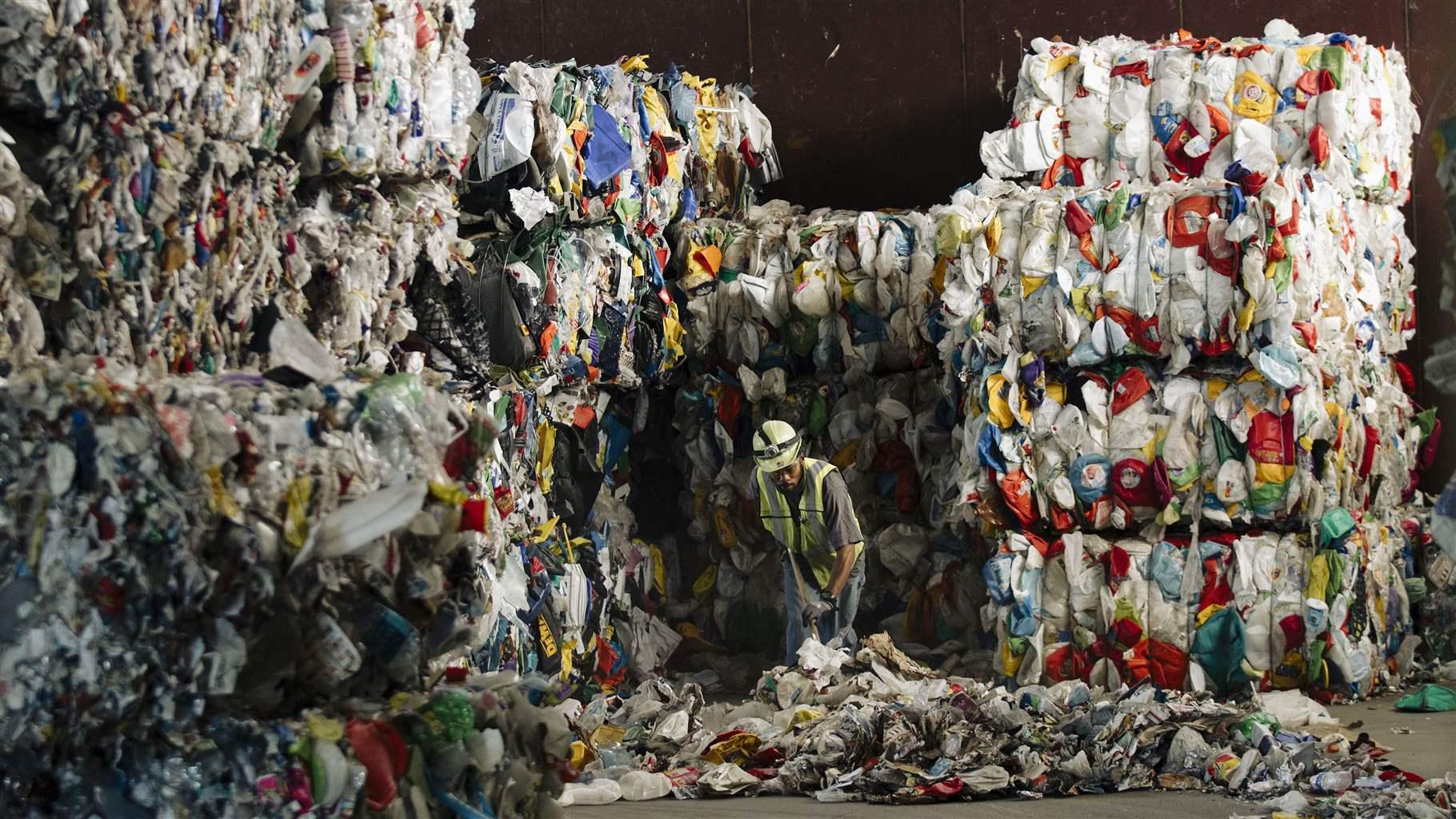
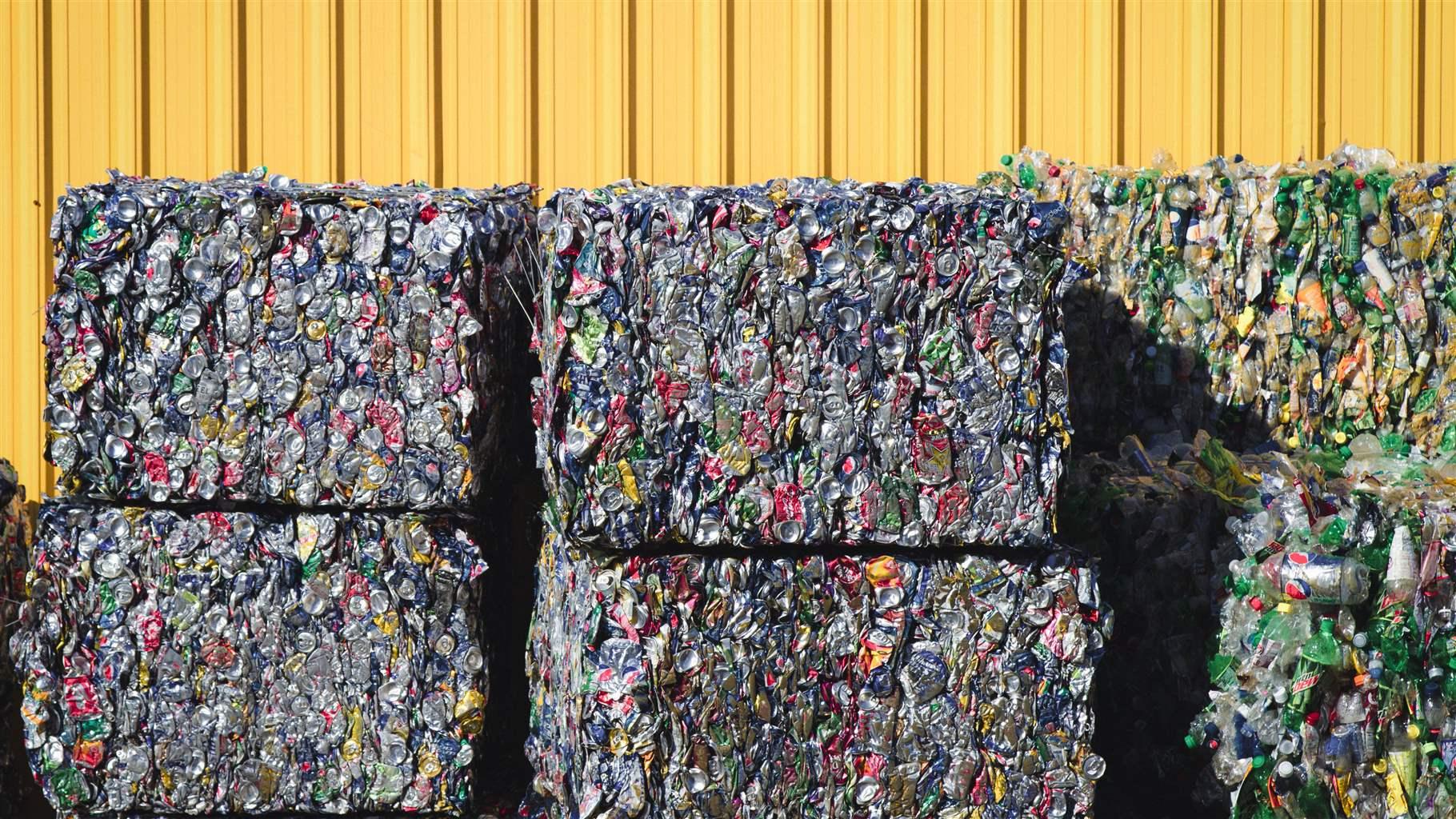
Facing mounting landfill pressures and unrealized economic opportunities, Tennessee has enacted a new law to strengthen its market for recycled materials. House Bill 2518, signed by Governor Bill Lee (R) on May 22, reinvigorates the Tennessee Office of Cooperative Marketing for Recyclables to serve as a central resource connecting recycled materials with end users. The office will maintain a database of regional buyers for and track the availability of recycled materials through a statewide marketplace.
The law also establishes an 18-member Recycling Market Development and Diversion Advisory Council made up of representatives from industry, local solid waste management, state agencies, and the Legislature. The council will study Tennessee’s recycling market and provide the General Assembly with recommendations on market development and best practices. The first report is due Dec. 31 and will be followed by annual reports thereafter.
H.B. 2518 addresses a significant need. Tennessee ranks 48th in the U.S. for recycling. With hundreds of thousands of tons of plastic entering state landfills each year and national plastic usage projected to more than the double by 2060, some parts of the state are facing urgent capacity pressures. And at the same time that landfills are nearing capacity, the state’s businesses are missing out on potentially substantial revenue from expanded recycling.
“This is about making Tennessee’s recycling system work smarter,” said bill sponsor Representative Chris Todd (R). “We’re giving businesses the tools they need to turn waste into a dependable resource.”
The Pew Charitable Trusts helped develop this policy in close partnership with the state’s Senate Energy, Agriculture, and Natural Resources Committee; House Agriculture and Natural Resources Committee; Chamber of Commerce & Industry; and Department of Environment and Conservation.
“Tennessee is home to thriving industries that could benefit from materials currently ending up in our landfills, many of which are nearing capacity,” said state Senator Shane Reeves (R), bill sponsor in the Senate. “This legislation represents a major win for Tennessee, driving economic development and helping pave a path forward for how we can work together to develop practical solutions.”
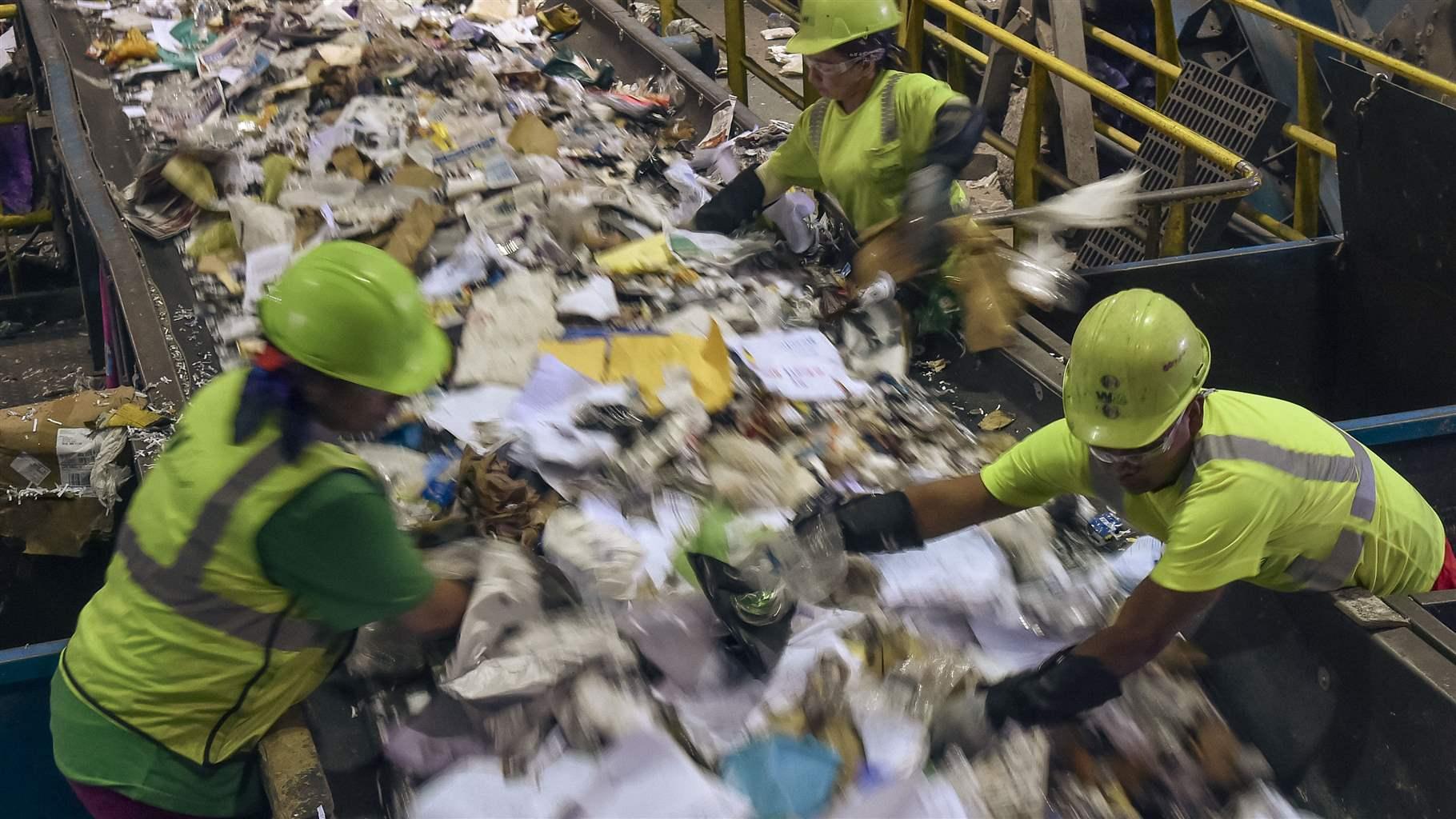
Plastic packaging waste in the U.S. is set to increase from 30 million tons to 39 million tons by 2040—with a commensurate rise in the associated waste management costs. Without ambitious action at the state level, economic and environmental challenges of plastic waste and pollution will continue to grow nationally. Improving the market for recycled materials is an essential step to using these resources productively and reducing pollution through smart policy and market design.
Tennessee’s new law is an example of what states can achieve when they bring everyone to the table to do just that.
Isabel Jarrett works on The Pew Charitable Trusts’ preventing plastic pollution project.
People


