Illinois Acts to Keep Plastic Pellets Out of the Great Lakes
New law makes the Land of Lincoln the region’s first state to address this source of microplastic pollution

On Aug. 7, Illinois Governor JB Pritzker (D) signed into law Public Act 104-0772, making his state the first in the Midwest to address pollution from plastic pellets—microplastics that are the building blocks of plastic materials and products.
The new law, which takes effect on Jan. 1, 2027, obliges industrial plants that use pellets to implement a Stormwater Pollution Prevention Plan when renewing or applying for a National Pollutant Discharge Elimination System permit—a federal Clean Water Act requirement for facilities that release certain contaminants through stormwater.
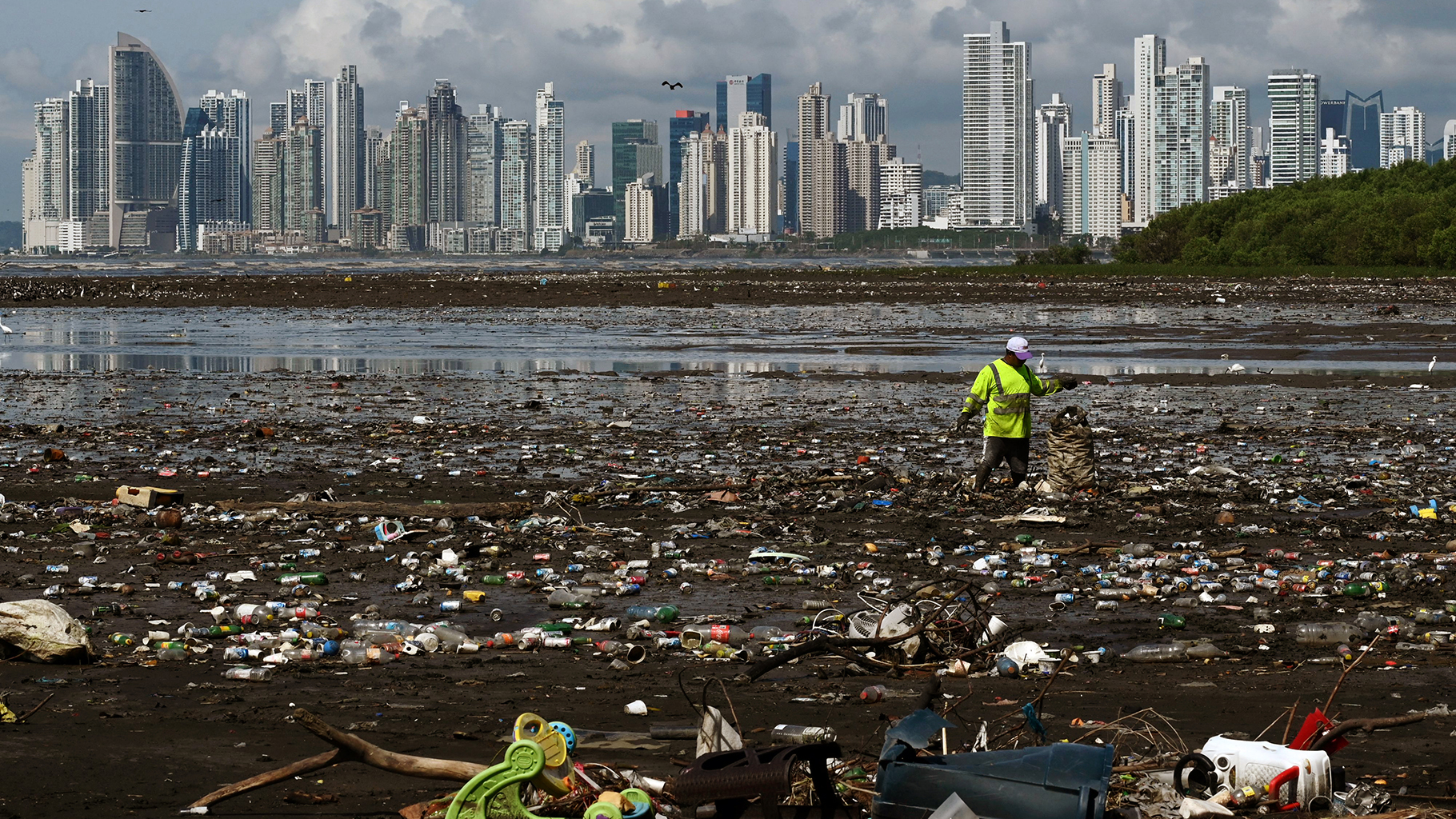
Each year, a staggering 22 million pounds of plastic pollution enters the Great Lakes from the United States and Canada. And microplastics—tiny plastic particles less than 5 millimeters in size that are found throughout the natural environment and people’s bodies—are a particularly challenging form of plastic pollution because their small size makes them difficult to capture or clean up. According to research from The Pew Charitable Trusts, in high-income economies such as the U.S., microplastic pollution from seven sources—tire wear, recycling, pellets, textiles, personal care products, paint, and agriculture—could represent as much as 79% of overall plastic pollution by 2040 if governments fail to act.
Plastic pellets are one of several significant sources of microplastic pollution. Pollution from pellets mainly results from accidental spills and mismanagement during their use and transport, and seven of the eight states that border the Great Lakes have at least one pellet or other pre-production microplastic facility. Once in the environment, pellets can have dire consequences for biodiversity, with research showing severe negative effects on wildlife, including birds who mistake pellets for food.
Illinois is the first Great Lakes state to address plastic pellet pollution in law. Facilities in the state will now need to plan for pellets as they would for other pollutants by identifying points of escape and putting controls in place.
Pew’s research has shown that concerted action across the entire plastic system—including production and manufacturing, transport, and ultimately waste disposal—could cut microplastic pollution by 41% by 2040 and that pollution from plastic pellets could be nearly eliminated. Enacting regulatory measures and legislation, such as Illinois’ new law, are key to achieving this goal.
Reyna Gilbert is a principal associate and Isabel Jarrett is a senior manager with The Pew Charitable Trusts’ preventing plastic pollution project.