

Getting a first smartphone has become a modern rite of passage for many children and teens. And with the rise of social media and the constant need to stay connected, today’s kids are spending more time online than any other generation.

From ocean and land conservation to solutions easing the nation's housing shortage, Pew worked tirelessly last year to improve people's lives and help communities thrive. A historic United Nations treaty to protect the high seas received its 60th ratification in September, allowing it to enter into force at the beginning of 2026. The Philadelphia Tax Reform Commission issued a report in February with findings and recommendations from its review of the city’s tax structures at a time of major shifts in the local economy and in federal aid.
Trust Magazine


Public health agencies need data to keep people healthy but getting that information depends on the cooperation of many people and organizations across health care and government.

States are underinvesting in roads and bridges. Previous research from The Pew Charitable Trusts has found that state roadways face a combined maintenance and repair shortfall of $86.3 billion over the next 10 years.
Our Work
Pew's work spans 7 key topics...

Good health is important to everyone. Pew conducts research and provides information and fact-based recommendations to state agencies, hospitals, researchers, and other health partners to help them provide better care. We find and share evidence-based practices to improve Americans’ health and well-being, including services that can prevent suicide, improve mental health care, and treat substance use disorder.
Latest In Advance Health & Well-Being

Communities throughout the country share common needs: affordable connections to broadband Internet, modern and reliable energy infrastructure, effective responses to mental health challenges, and ways to resolve legal disputes more quickly and fairly. To address these issues, Pew collaborates with states and local governments to find and promote evidence-based solutions that help provide stability and opportunity.
Latest In Build Communities
/16x9_m.jpg?mw=1820&hash=5F8FAF0A76E455308483138D9B65A461)
Economic opportunity is the foundation of American society. Pew supports national, state, and local efforts to expand opportunity and promote financial well-being. Our work helps people pay off student loans, navigate court proceedings such as debt collection, buy or rent a home, access affordable internet, and save for their retirement.
Latest In Improve Economic Advancement

Nonpartisan, fact-based improvements in federal policy can create jobs, lower costs, and help the nation prepare for the future. When our research shows that small changes can have a big impact, we work across party lines to improve national challenges like housing affordability, internet access, energy reliability, and health care.

The global ocean teems with life, and it contributes to the vital cycles that keep people and our planet healthy. But the seas are vulnerable to overfishing, loss of habitat such as seagrasses and mangroves, ineffective fisheries management, plastic pollution, and declining biodiversity. These mounting losses affect the coastal communities that depend on the ocean for food and jobs.
Latest In Protect Marine Life
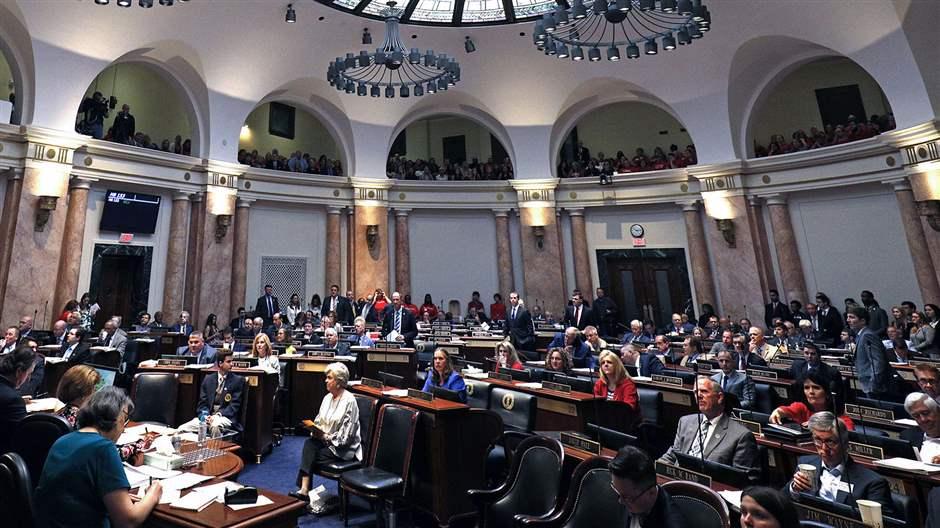
States and cities are the “laboratories of democracy” in America—the places where lawmakers and governors look for new ways to help their communities succeed. Whether in Pew’s hometown of Philadelphia or any of the 50 state capitals, we help elected leaders respond to the needs of their citizens, use public dollars wisely, fix outdated policies, and build a better future for all.
Latest In Strengthen State Government

Conserving natural spaces conveys benefits far beyond the gains to wildlife and their habitats. As scores of studies show, protecting and restoring lands and waters, particularly when done in close partnership with local communities, also improves people’s lives—and local economies—by increasing tourism and outdoor recreation.
Latest In Support People & Nature
How We Work
Pew is committed to generating research, providing technical assistance, and building relationships to advance powerful, positive change. Learn More
Although our projects vary in scale and scope, Pew maintains a consistent investment philosophy for all of our work—an approach driven by our history and values. Learn More
Stay informed through our newsletters, join the conversation on social media, or learn about partnership opportunities—just a few ways you can help us make a difference. Learn More

Latest in
For more than 75 years, we have used data to make a difference
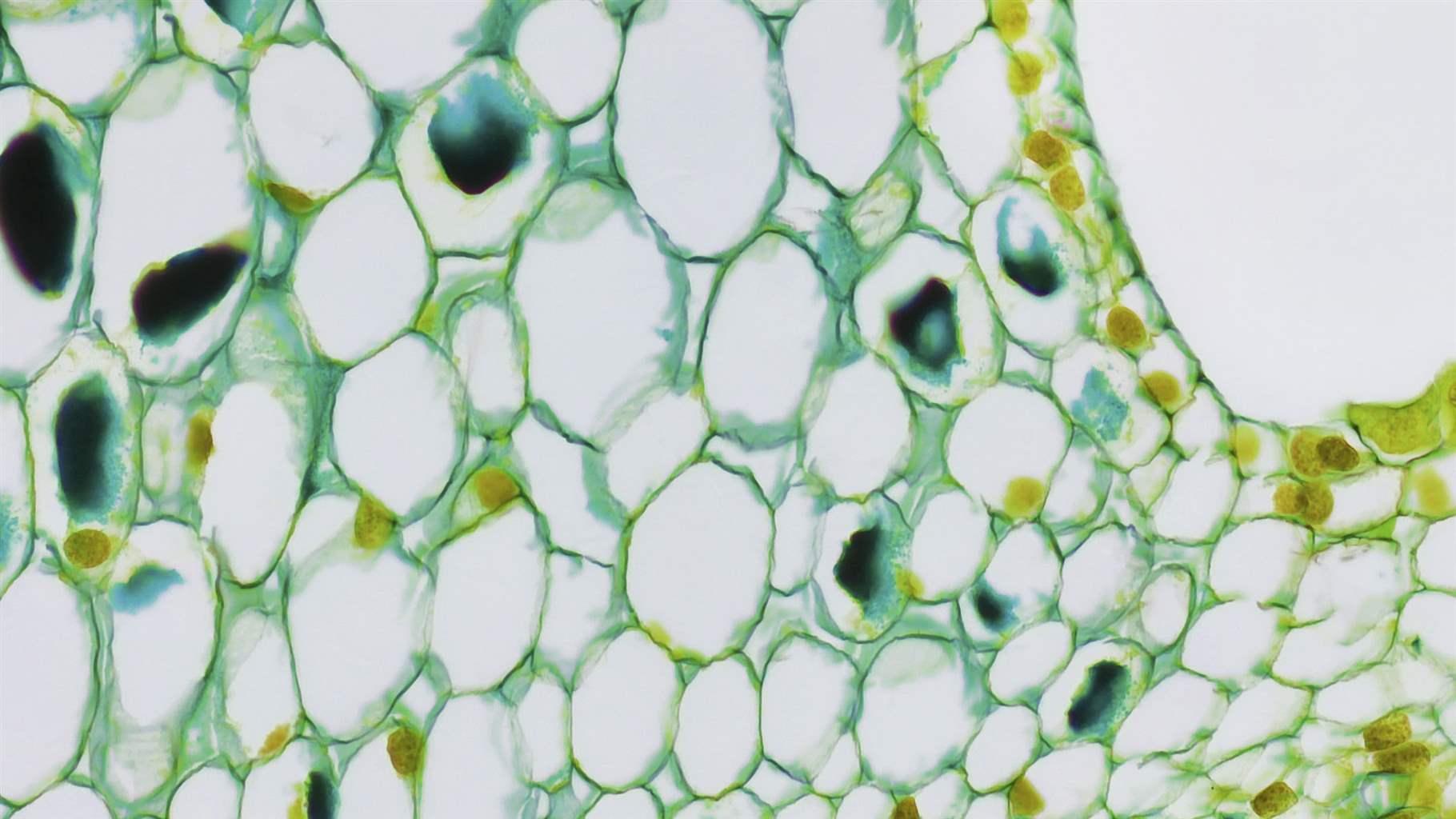

Collaboration powers scientific discovery. Now 14 accomplished researchers are teaming up to lead such a charge as The Pew Charitable Trusts’ 2025 Innovation Fund investigators. The new class, announced Dec. 9, brings together pairs of leading scientists whose studies span immunology, cancer biology, biophysics, and more. Through their interdisciplinary partnerships, these investigators will explore creative research projects at the forefront of health and medicine.


We are living in a time of remarkable medical innovation. While new medications and surgical techniques continue to be discovered, delivering relief for patients and their loved ones, some of the newest advancements are awe-inspiring in their potential to touch every one of us.
Trend Magazine
