A Key Moment of Opportunity for Chile’s Protected Areas
Chile is at an important inflection point in ecosystem management, with a new agency overseeing its protected areas, and with the country’s oldest national park about to hit the century mark next year.
The creation of the Biodiversity and Protected Areas Service, or SBAP, as it’s known in Spanish, marks a historic opportunity for the country to build a modern, efficient, and collaborative conservation system—one in which government, the private sector, and communities unite around a shared goal.
A major step forward for conservation in Chile, the SBAP coincides with a key environmental milestone for the country. In 2026, Chile will celebrate the 100th anniversary of its oldest national park—Vicente Pérez Rosales National Park in the Los Lagos Region—which was created long before the country’s conservation agencies and organizations were founded.
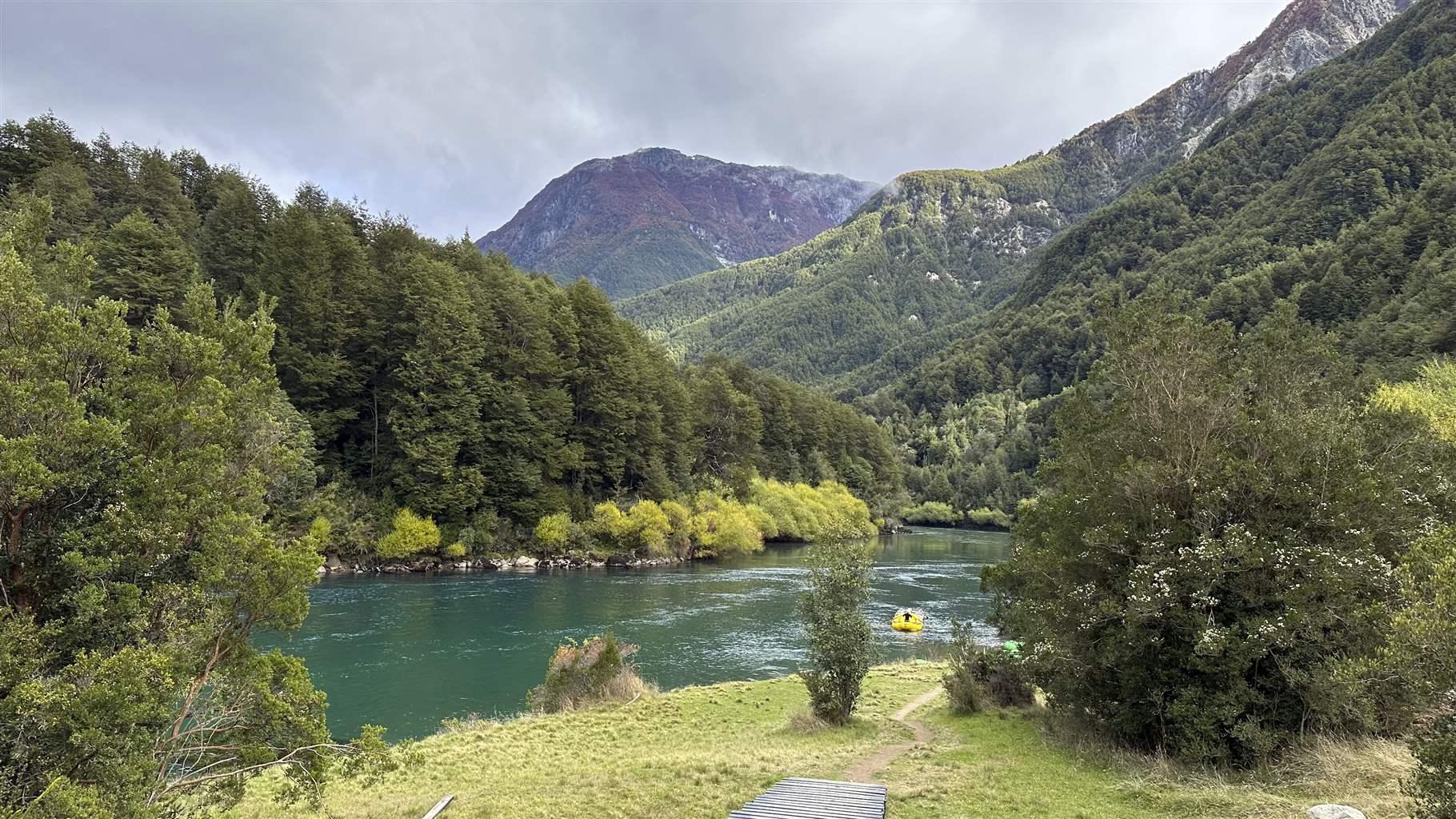
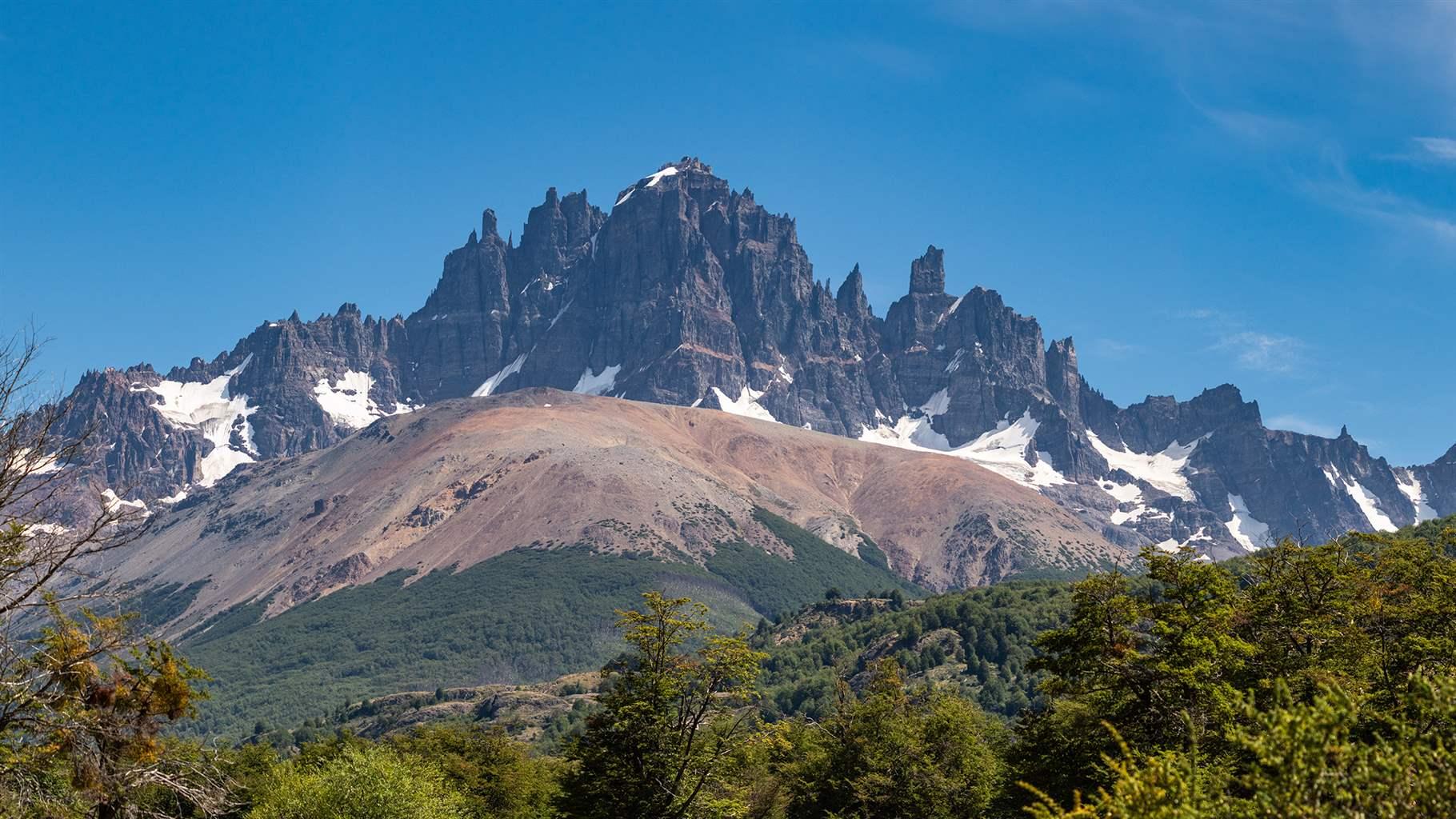
Featuring rugged snowcapped volcanoes and temperate rainforest, along with crystalline blue-green waters punctuated by waterfalls, hot springs, and rapids, the park is home to fauna ranging from pumas and river otters to Magellanic woodpeckers and tiny marsupials such as the monito del monte.
In October and November, Chile celebrated two more environmental milestones. The fifth Protected Areas and Gateway Communities Meeting brought together a record number of participants in Santiago in October, with more than 3,000 people attending in person and 21,500 joining online—roughly double the attendance at last year’s meeting. And more recently, on the second Saturday of November, Chile’s annual Protected Areas Day highlighted the essential role that protected areas play in maintaining ecosystems’ health and residents’ well-being.
Protected areas drive economic and social benefits
With 88 of the world’s 110 ecosystem types, Chile has created a vast network of 57 national parks and 50 national reserves, among other designations, to protect this precious natural wealth. Places such as Vicente Pérez Rosales National Park and Los Flamencos National Reserve draw thousands of visitors each year, proving that well-managed protected areas are also powerful engines for ecotourism and sustainable growth.
According to the World Bank, tourism now represents 3.3% of Chile’s gross domestic product, and Tourism Undersecretary Verónica Pardo Lagos projects that figure could reach 5% this year. The World Travel & Tourism Council, meanwhile, estimates that tourism accounts for nearly 10% of global GDP—which indicates significant potential for additional growth in this sector in Chile. And in regions such as Magallanes, nature-based tourism already surpasses several traditional industries, generating jobs and income and helping to ensure economic vitality.
Protected areas also deliver some less apparent but equally important benefits: They reduce disaster risks by preserving forests and wetlands and help to sustain residents’ livelihoods through artisanal fisheries and community-based tourism. To that end, Chile’s National Statistics Institute reported that tourism accounted for 7.4% of jobs nationwide in the first quarter of 2025.
Conservation is deeply rooted in Chile’s identity and its future strategy
Since 1926, Chilean presidents across the political spectrum have had a hand in expanding the country’s national protected areas system, underscoring that conservation is an integral part of Chile’s policy DNA and shared heritage. And Chileans take immense pride in this natural heritage. In a recent study, 87% of Chileans said they were proud of their country’s unique geography and natural beauty.
Today, Chile has both an opportunity and an obligation to turn that deep sense of pride into a competitive advantage and a lasting legacy. Protecting natural areas is about more than conservation—it’s a strategic investment in Chile’s sustainable development and in the well-being of generations to come.
Francisco Solís Germani directs The Pew Charitable Trusts’ work in Chilean Patagonia.
People