5 Reasons Nevada Should Fund Wildlife Crossings
Dedicated, sustained investment would make roads safer, save money, and protect wildlife

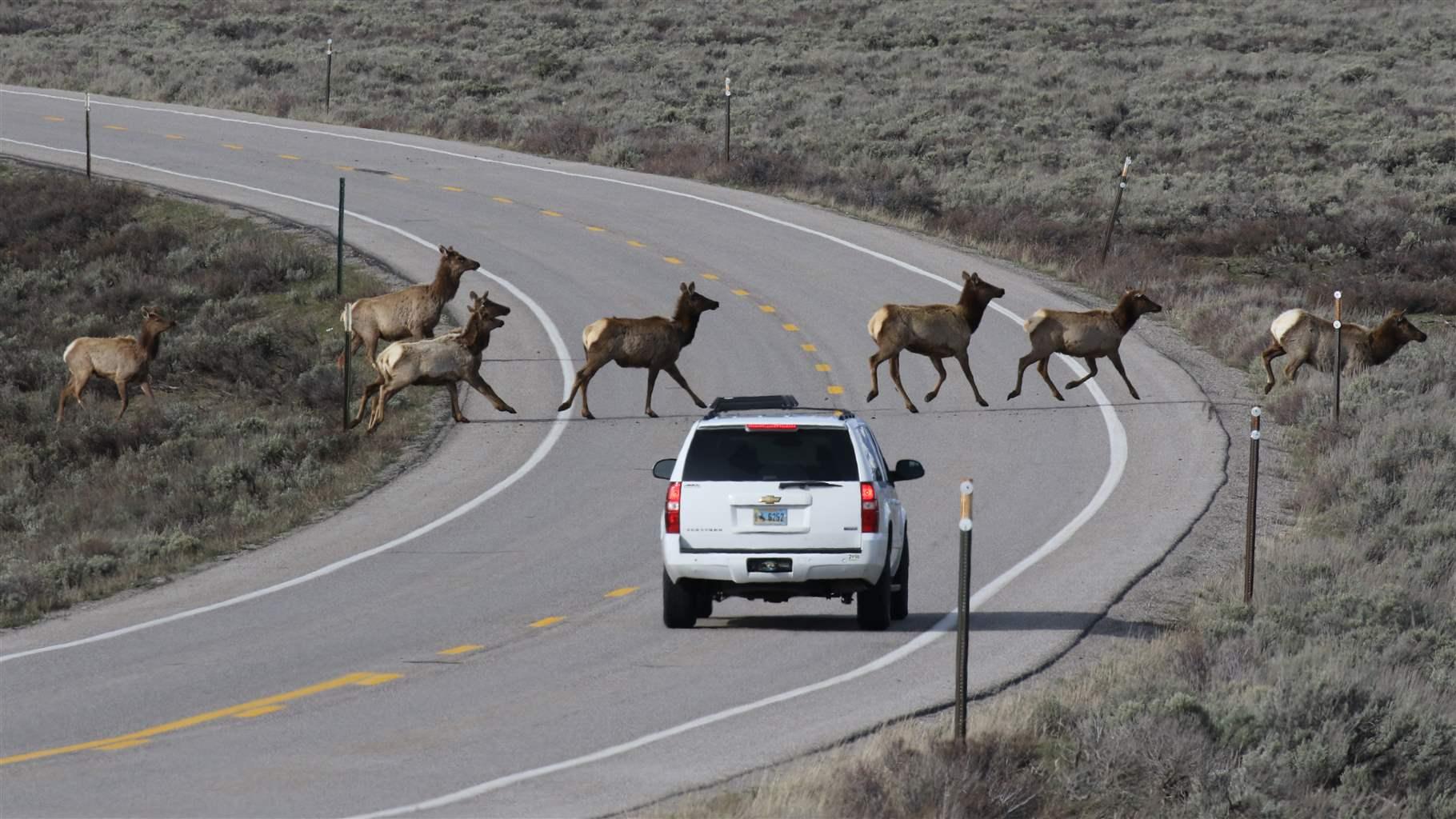
Wildlife-vehicle collisions are a persistent problem across Nevada. Calculations based on recent State Farm Insurance estimates indicate that Nevada drivers are involved in about 3,800 crashes with large animals each year, costing nearly $57.5 million and killing or injuring wildlife and motorists. And the risk is likely to rise as the state’s population grows, development expands, and road networks and vehicle traffic proliferate.

Fortunately, studies show that wildlife crossings—overpasses and underpasses installed in identified collision hot spots—make roads safer for people and animals while reducing habitat fragmentation, conserving critical migration paths, and safeguarding biodiversity.
In 2023, Nevada lawmakers took an important step by creating the Wildlife Crossings Account and providing an one-time investment of $5 million. When they convene for their February 2027 legislative session, they will have an opportunity to build on that smart first investment and enact the reliable, robust funding needed to deliver these five key benefits of wildlife crossings:
1. Protecting people and animals

Collisions with large animals can cause serious injuries, deaths, and costly vehicle damage. Nationwide, wildlife-vehicle collisions account for more than 200 deaths and over 26,000 injuries. A Nevada Department of Transportation analysis found that from 2011 to 2022, such crashes caused as many as 327 injuries, 24 of them serious, and one fatality in the Silver State.
Research shows that wildlife crossings can reduce road accidents involving large animals by more than 90%.
2. Saving public and private dollars
Nationwide, wildlife crashes cost more than $10 billion annually in first responders’ time, medical payments, and lost work, including billions of dollars in insurance industry spending, according to State Farm's data. These accidents also reduce wildlife populations, which in Nevada directly harms the $24 billion-a-year outdoor recreation industry.
At high-collision locations, properly sited crossings and fencing can pay for themselves over a short period of time by preventing crashes, and dedicated funding would allow Nevada to invest strategically to maximize avoided costs.
3. Reconnecting habitat and migration routes

Nevada is known for its wildlife and ranks ninth in the nation for its mammal diversity. Unfortunately, the state’s 5,400 miles of highway as well as other roads can slice through habitat and block animals from reaching seasonal ranges, food, water, and mates. Wildlife crossing infrastructure would help reconnect habitats divided by roads, allowing species such as mule deer, elk, pronghorn, and bighorn sheep to move safely across the landscape. That connectivity supports healthier, more resilient wildlife populations as drought, wildfire, and development place greater pressure on habitat.
4. Building on proven success

Nevada is already a national leader in wildlife-friendly infrastructure. The state has 79 crossings in place for large and small animals, including six overpasses—three on Interstate 80, two on U.S. 93, and one on Interstate 11.
These projects demonstrate that crossings work when they are placed along known migration routes and paired with other tools, such as directional fencing. For example, during the first four years after the U.S. 93 wildlife crossings were installed, more than 35,000 mule deer used at least one crossing, avoiding potential crashes with vehicles. Sustained funding would protect that progress and move additional priority projects from planning to construction.
5. Unlocking federal and other funding
Despite this record of success, consistent funding remains the primary constraint for new wildlife-friendly transportation infrastructure. Developing dedicated state-level funding sources would better position Nevada to attract federal investments from sources such as the Wildlife Crossings Pilot Program, which supports projects to reduce wildlife-vehicle collisions and improve habitat connectivity and which enjoys bipartisan congressional support.
As Nevada works to maintain and modernize its transportation infrastructure, funding for new wildlife crossing projects must compete with other pressing needs. A dedicated, recurring state funding source would help reduce these conflicts by strengthening Nevada’s ability to leverage its own dollars to secure federal grants for habitat connectivity and wildlife-friendly transportation infrastructure.
Reliable funding would also allow state agencies to act expeditiously when opportunities to protect drivers and improve habitat connectivity arise. A dedicated funding stream would help ensure that Nevada is positioned to advance worthy crossing projects for consideration for federal funding.
A smart investment
Safer roads, connected landscapes, and healthy wildlife populations are all part of what makes Nevada a desirable place to live, work, and visit. The state has already demonstrated that well-designed wildlife crossings can reduce collisions while reconnecting fragmented habitat.
By building on that foundation with a dedicated, recurring funding source, Nevada lawmakers could help state agencies plan for the long term, leverage federal and other funding, and advance priority projects as opportunities arise. Sustained investment can help ensure that as Nevada grows, its transportation network becomes safer and better connected—for drivers, communities, and wildlife alike.
Nic Callero is a senior officer with The Pew Charitable Trusts’ U.S. Conservation project.
People


