5 Actions States Are Taking to Combat Microplastic Pollution
A variety of approaches can help protect public health, wildlife, and ecosystems

Microplastics—pieces of plastic smaller than 5 millimeters (0.2 inches)—have been found almost everywhere on Earth and throughout people’s bodies. Studies have linked exposure to microplastics and the toxic chemicals they contain with harm to human health, as well as the growth, health, and survival of a range of plants and animals.
Effectively confronting microplastic pollution requires targeted policies, and states are leading the way in addressing this growing threat. Increasingly, state efforts are focusing on some of the seven sources of microplastics—automotive tires, synthetic textiles, agriculture, paint, plastic pellets, personal care products, and recycling—that research shows will make up 79% of plastic pollution in high-income economies, such as the U.S., by 2040.
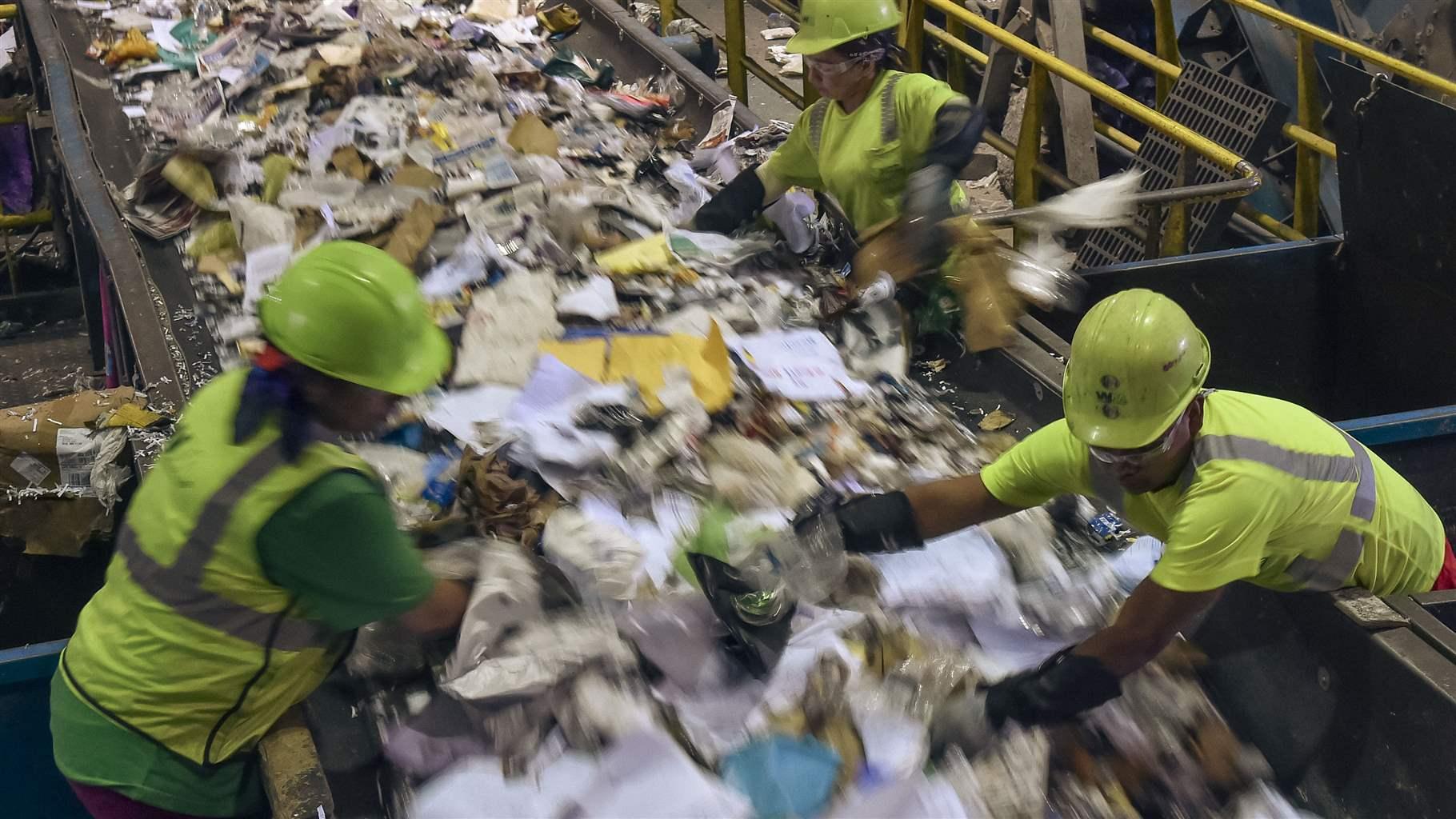
In 2014, for example, Illinois became the first state to ban the manufacture and sale of personal care products containing microbeads, the small plastic particles added to hygiene and beauty products, which frequently end up in waterways where animals mistake them for food. Similar action in Indiana, Maine, Wisconsin, and other states soon followed, and the federal government enacted the Microbead-Free Waters Act in December 2015, creating a nationwide ban on plastic microbeads in certain personal care products. This federal action represented a major step forward in addressing microplastic pollution and paved the way for additional targeted policies.
Here are five other ways states are tackling the pervasive and challenging problem of microplastic pollution.
1. Developing statewide strategies
No single solution can fully address microplastic pollution. However, The Pew Charitable Trusts’ report “Breaking the Plastic Wave 2025” found that combining proven plastic pollution reduction policies is far more effective and efficient than implementing single policies alone. California took this approach in 2022 when it released a statewide strategy to reduce microplastic pollution in its marine environment. The strategy pairs immediate actions, such as preventing pollution from stormwater runoff and conducting outreach and education, particularly in affected communities, with longer-term measures to clarify the scale and risk of microplastic pollution, with the aim of identifying solutions.
2. Monitoring drinking water
Microplastics have been detected in the water Americans drink—even bottled water. Increased monitoring and testing are needed to understand the extent and potential harm from microplastic pollution in drinking water and to inform evidence-based solutions.
The importance to states of such testing was underscored in late 2025 when seven governors petitioned the U.S. Environmental Protection Agency to include microplastics testing in the 2027 renewal of its Unregulated Contaminant Monitoring Rule, which governs the collection of data on potential drinking water contaminants that are not already subject to health-based standards under the Safe Drinking Water Act.
Unfortunately, the EPA opted not to include microplastics in its preliminary decision on the renewal, but several states have begun protecting drinking water quality from plastic pollutants. California and New Jersey have enacted legislation to test for and monitor microplastics in drinking water. The New Jersey law, for example requires the study not only of the sources and impacts of microplastic pollution in the state, but also of microplastic removal technologies. Lawmakers in other states, including Illinois, Michigan, and Rhode Island, have introduced similar legislation.
3. Addressing microplastic pollution from tires
As cars travel down the road, friction causes small pieces of rubber and plastic to be released from their tires into the environment, exposing people and animals to particles in the air, soil, and water. Pew’s research has found that in the U.S., microplastics from tires (along with textiles) will generate the same amount of pollution as plastic packaging by 2040.
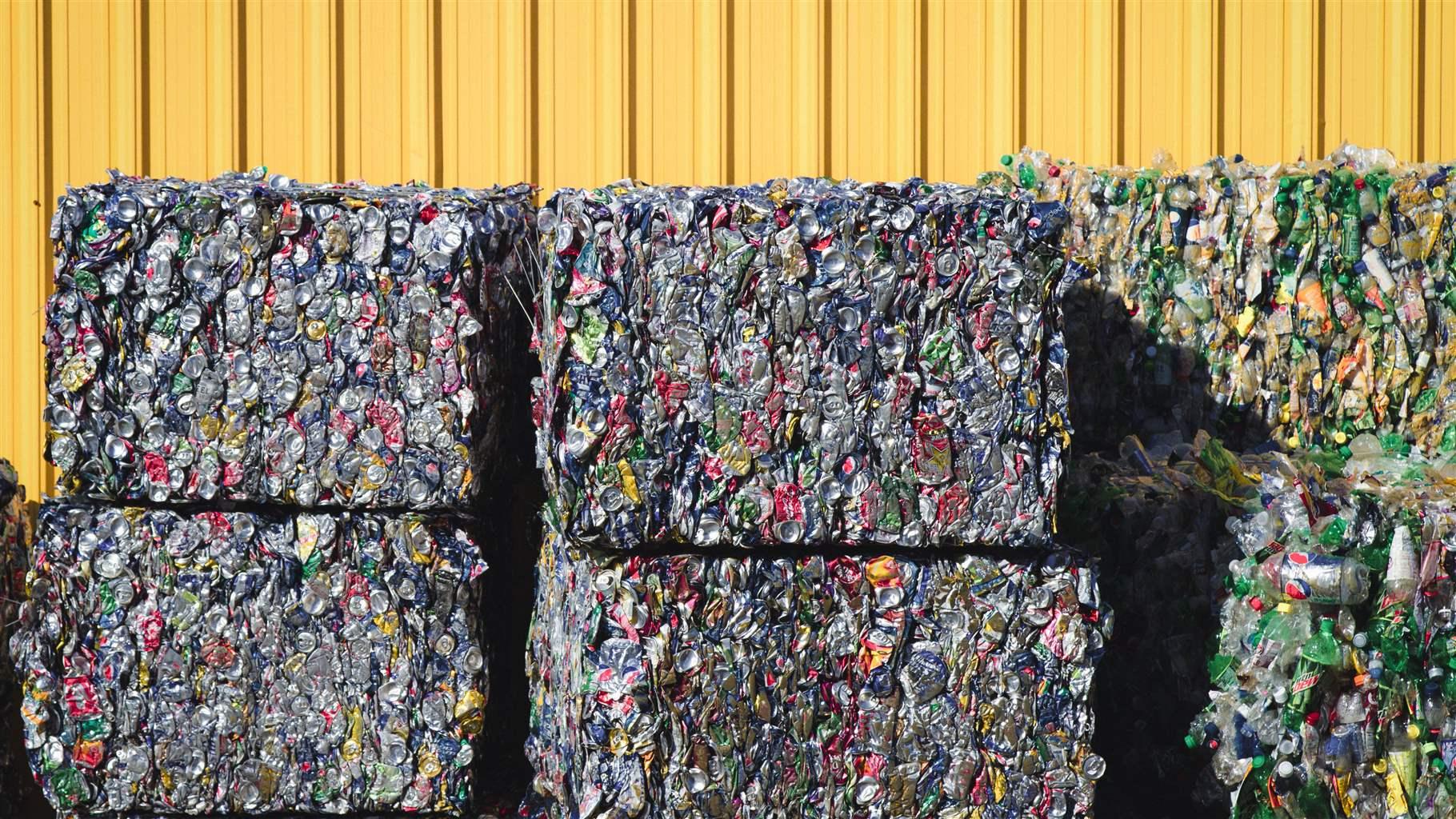
One of the most effective ways to reduce microplastic pollution from tires is “abrasion limits”―manufacturing standards for tire durability and material releases. For instance, recent estimates suggest that setting abrasion limits for tires on cars and small SUVs, known as C1 tires, sold in Europe and Japan could reduce microplastic releases from tires by more than 10% and drive the replacement of about 30% of higher-abrasion tires sold in those markets with lower-shedding options. The European Commission is expected to incorporate C1 tire abrasion limits into European Union law by July 2027 with the limits effective for new tires beginning July 2028. The EU is likely to adopt additional standards for the two remaining tire types―C2 and C3―that cover most other road vehicle categories in the coming years.
Although abrasion limits have not yet been adopted anywhere in the U.S., some states are beginning to address the harms associated with the chemicals in microplastic pollution from tires. Washington’s Department of Ecology is developing an action plan for 6PPDQ, a chemical that helps tires last longer and is the second-most-toxic chemical to aquatic life ever measured. The plan is due to be submitted to the state Legislature in early 2027.
4. Curbing plastic pellet release
Pellets are small pieces of plastic used to make nearly all plastic products. These can escape into the environment through spills or leaks from factories, as happened in South Carolina and Texas, among other places. Once in the environment, pellets can have dire consequences for biodiversity, with research showing severe negative effects on wildlife, including birds that mistake pellets for food.
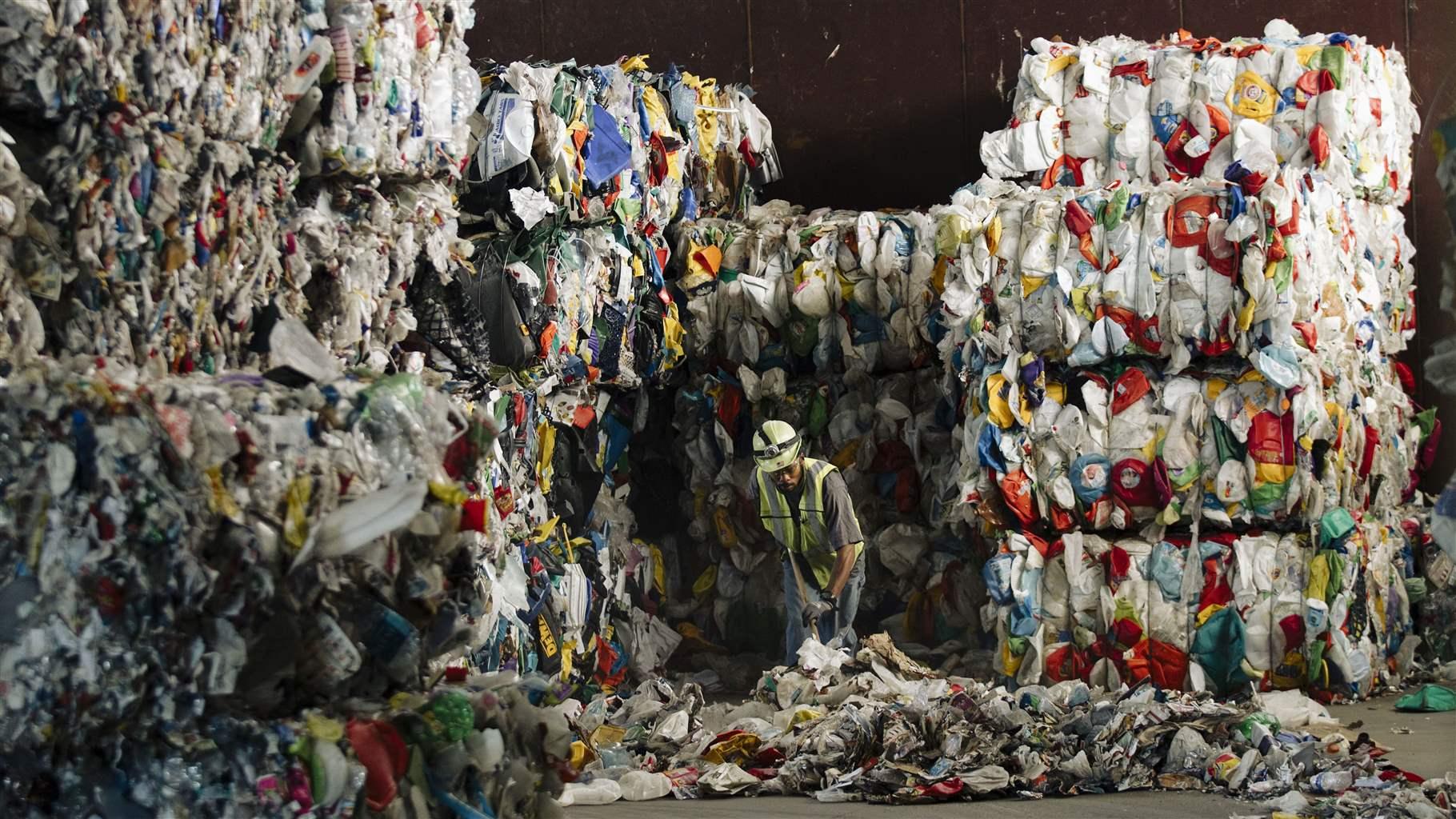
Like all microplastics, pellets are almost impossible to remove once in the environment, so the problem is best tackled through preventative measures. This year, Illinois Governor JB Pritzker (D) signed legislation that classifies pellets as a pollutant for the first time in the state and requires facilities that produce pellets or preproduction plastic materials to produce Stormwater Pollution Prevention Plans as part of their permitting process. And a new law in Colorado, set to take effect in August 2027, prohibits facilities that handle pellets from discharging them or other preproduction plastic materials into waterways, wastewater, or stormwater runoff—or through the practice of using treated wastewater to improve soil health.
Although measures such as these are crucial to curbing pellet pollution, they fail to tackle pollution that occurs during transport, such as when a container fell off a ship in 2020, releasing millions of pellets into the Mississippi River. Pellet shipping rules and risk management plans with mandatory actions to reduce these types of losses, such as those included in a regional framework adopted by the EU last year, can play an important role in preventing pellet spills.
5. Managing shedding from textiles
Pew’s research projects that without policy action to curb microplastic pollution, synthetic textiles, such as polyester, acrylic, and nylon, will generate 8,100 tons of microfibers in the U.S. by 2040—or about 16.2 million pounds—a 22% increase over 2025 levels. Shedding of microfibers occurs throughout a textile’s life cycle, from production to everyday wear to disposal, and the elongated shape of synthetic microfibers makes them more toxic than some other microplastic particles. They can harm the growth and health of marine life and contaminate agricultural land, potentially compromising crops and livestock, all of which can put human health at risk.
However, comprehensive global efforts across the textile life cycle—including targeting emissions during clothing production, improving clothing design, and increasing the capture of microfibers from household laundry and wastewater treatment—could eliminate 85% of microfiber pollution worldwide by 2040.
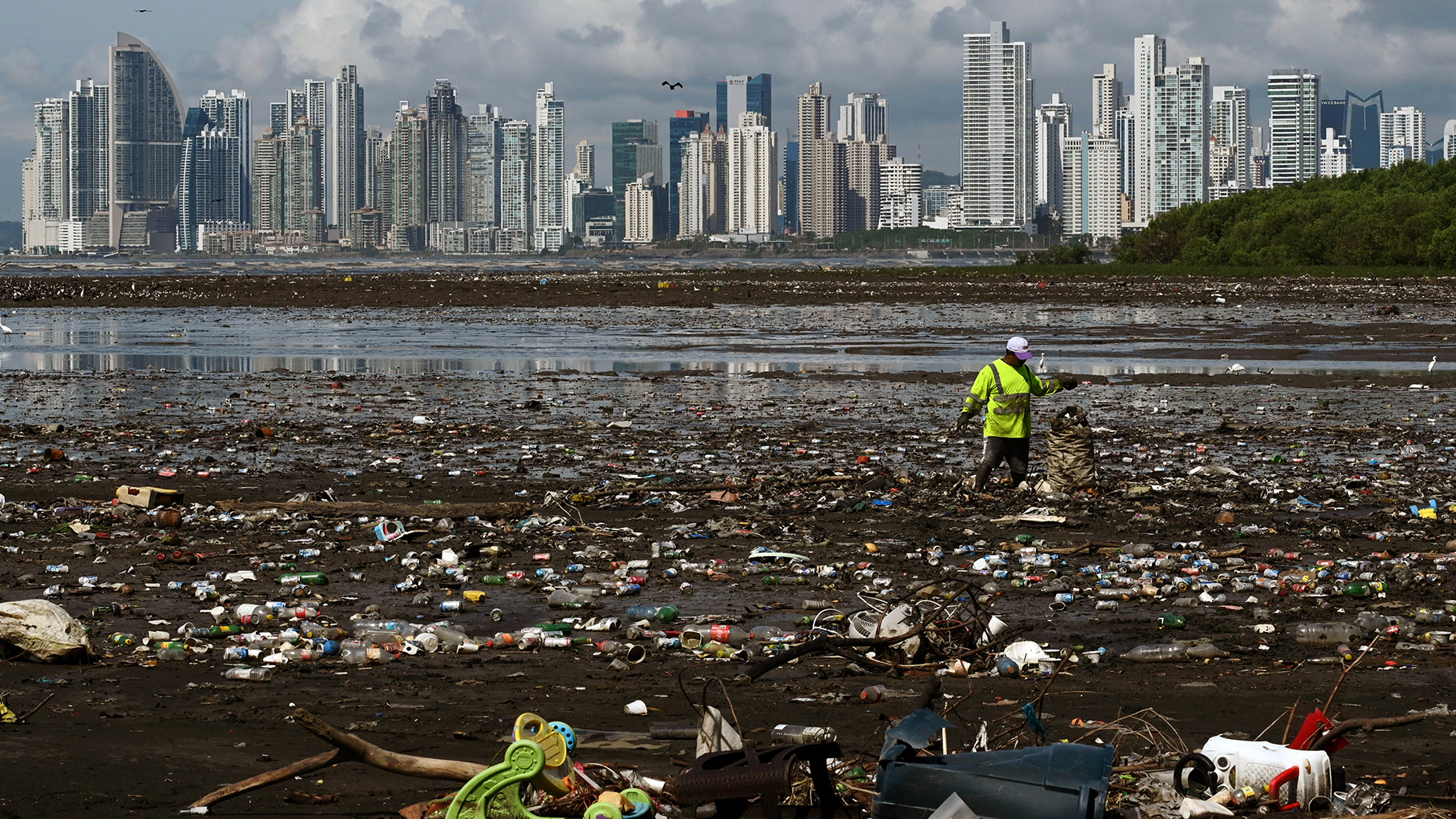
Lawmakers in several states, such as California, Illinois, New Jersey, and Oregon, have introduced legislation or proposed regulations—though none has yet been enacted—requiring built-in microfiber filtration on washing machines. And a Connecticut law enacted in 2018 directed the Department of Environmental Protection to establish a working group to promote consumer awareness and education on synthetic microfiber pollution. The law also required the commissioner of energy and environmental protection to submit a report to the General Assembly in 2019 with recommendations for future legislative action.
Microplastics are small, but the challenges they pose are not. No individual intervention is sufficient, and effective action combines upstream and downstream measures across the plastic life cycle. By developing statewide strategies, conducting testing and research, and creating methods and technologies to reduce shedding and capture microplastics at the source, states are finding and implementing critical policy solutions that can address the growing threat of microplastic pollution.
Reyna Gilbert is a principal associate and KerriLynn Miller is an officer with The Pew Charitable Trusts’ preventing plastic pollution project.
People


