
Bordered by the mountains, forests, lakes, and rivers of other South American nations along its eastern edge and by the Pacific Ocean to its west—and located just about 1,000 kilometers (620 miles) from Antarctica—Chile encompasses a stunning array of land and marine ecosystems. For over 14,000 years, Chile’s waters and variegated terrain have sustained Indigenous communities and continue to serve as an essential source of nourishment, livelihood, recreation, and well-being for Chileans.
The country’s unique ecological makeup—along with its economic stability and growing commitment to conservation as an integral part of its development and international leadership—gives Chile a distinct advantage in protecting its natural heritage.
Today, Chile’s protected areas system is at a crossroads. The creation of the country’s new Biodiversity and Protected Areas Service, combined with the Chilean national parks’ centennial, offers a unique opportunity for the Chilean people and officials to craft a shared vision for the next century. This new era paves the way for strengthening biodiversity conservation while also consolidating protected areas’ strategic role in key sectors, such as tourism, that rely on effective management to keep these areas intact and thriving.
The Pew Charitable Trusts works to protect underrepresented ecosystems in Chile and strengthen protected areas management. This includes supporting implementation of the Biodiversity and Protected Areas Service, promoting science-based and community-informed management, advancing water security in rural areas, and fostering long-term financing mechanisms to ensure sustainable conservation.

For residents and visitors alike, Chilean Patagonia’s alluring landscapes inspire a profound passion for conserving the planet. Much more than just another name inscribed on a map, Patagonia is a legacy for humanity, a symbol of the resilience and hope that nature embodies, and a precious inheritance that those of us living today have a duty to protect for future generations.
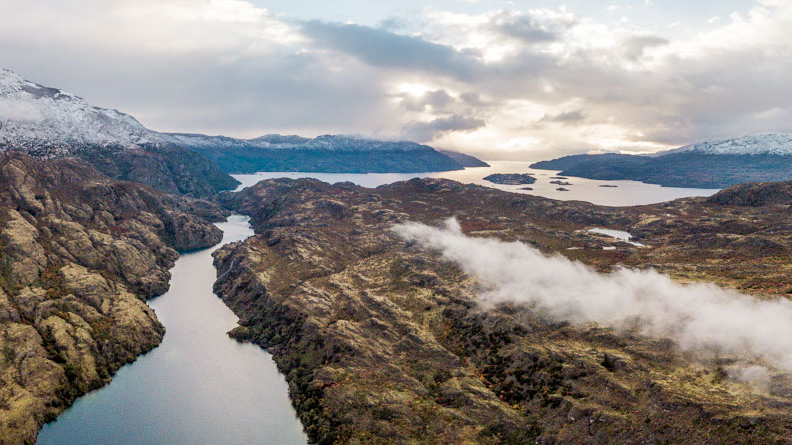
With a coastline spanning 62,000 miles and one of the largest estuaries in the world, Chilean Patagonia is a crucial refuge for biodiversity in the face of climate change. Scientific studies consistently show that large, undisturbed natural spaces help promote species diversity, help wildlife and ecosystems better withstand the effects of a shifting climate, and provide numerous benefits—such as clean air and water—to nearby communities.

Chilean Patagonia is known around the world for its extraordinary and relatively pristine ecosystems. With old- growth forests, peat bogs, and fjords that are highly resilient against climate change, the area serves as a large carbon sink and has even been called a climate refuge.

Chilean Patagonia is an international icon: It’s one of the world’s most remote places and also one of the few remaining pristine areas on Earth.


