
Many of these cases—including those involving debt collection, eviction, traffic, and child guardianship—can have profound, life-changing implications, and communities of color are disproportionately affected by the outcomes.
But in today’s state and local legal systems, many cases that would benefit from a judge’s consideration never reach the bench while matters that could be effectively resolved outside of the courtroom are clogging dockets. By contrast, effective, modern systems would enable judicial and court staff to focus on the cases that require their expertise and attention, allowing them to better serve communities.
The Pew Charitable Trusts’ courts and communities project works to build open, effective, and equitable state and local legal systems that enable all people to meaningfully participate in court processes, expeditiously resolve cases, and avoid unnecessary interactions with the court in favor of proven alternative interventions. The project supports efforts to deliver on this vision by producing data-driven research to expand knowledge on how courts affect individuals and communities and by building partnerships with communities, the private sector, policymakers, and other stakeholders to identify and advance comprehensive improvements.

In jurisdictions throughout the United States, courts are implementing systems that send text messages reminding people of their upcoming court dates. Studies consistently show that failure to invest in such technology comes at a high cost for courts and the communities they serve. Each missed court appearance sets off a chain reaction that delays court proceedings, adds strain on already stretched justice system resources, and can lead to arrest and incarceration.
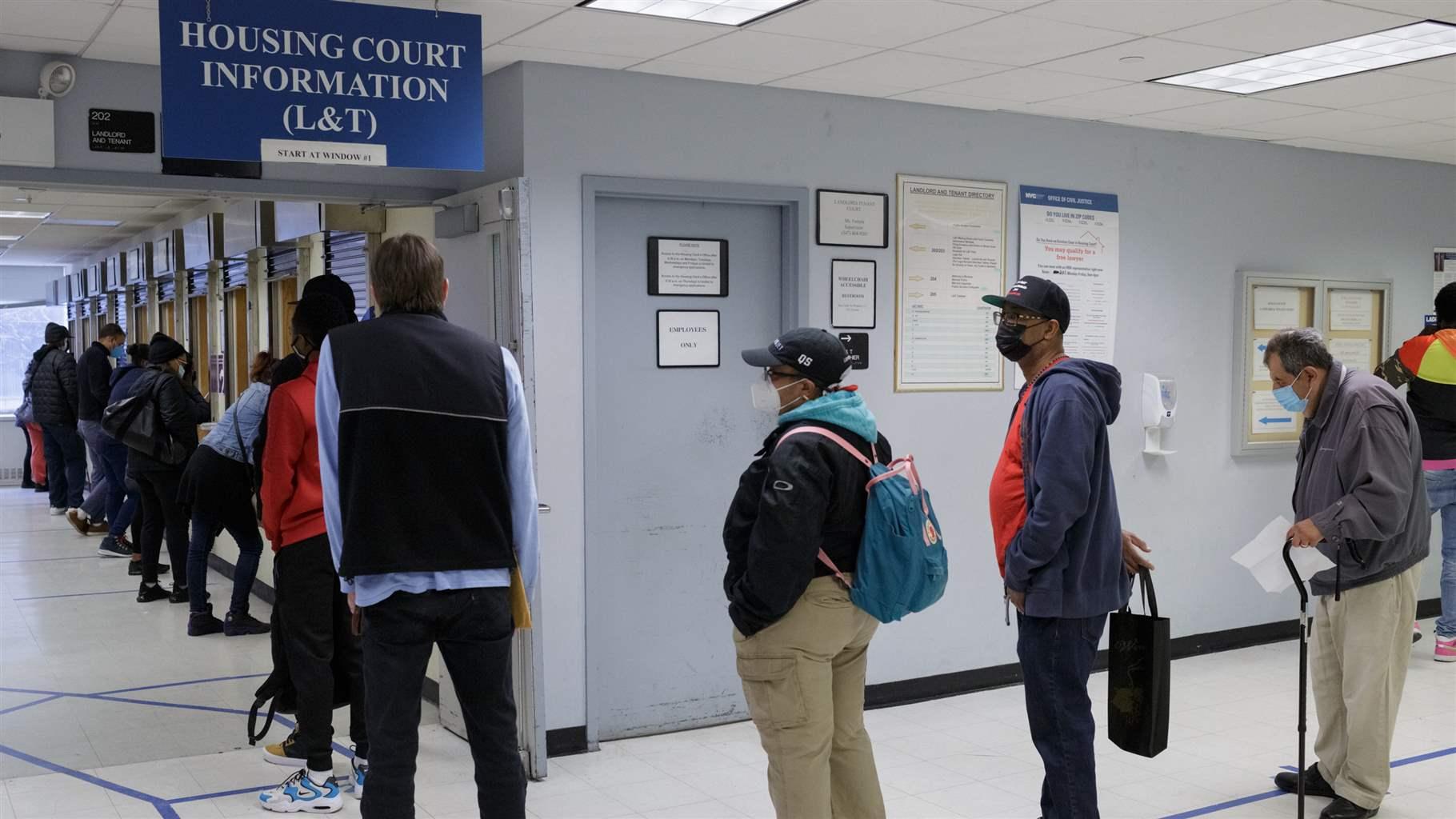
Nearly half of adults with disabilities live in households in which someone has been involved in a court case, according to a recent national poll by The Pew Charitable Trusts. This is the first known data on the prevalence of this population’s court interaction, which is significantly higher than for those without disabilities.
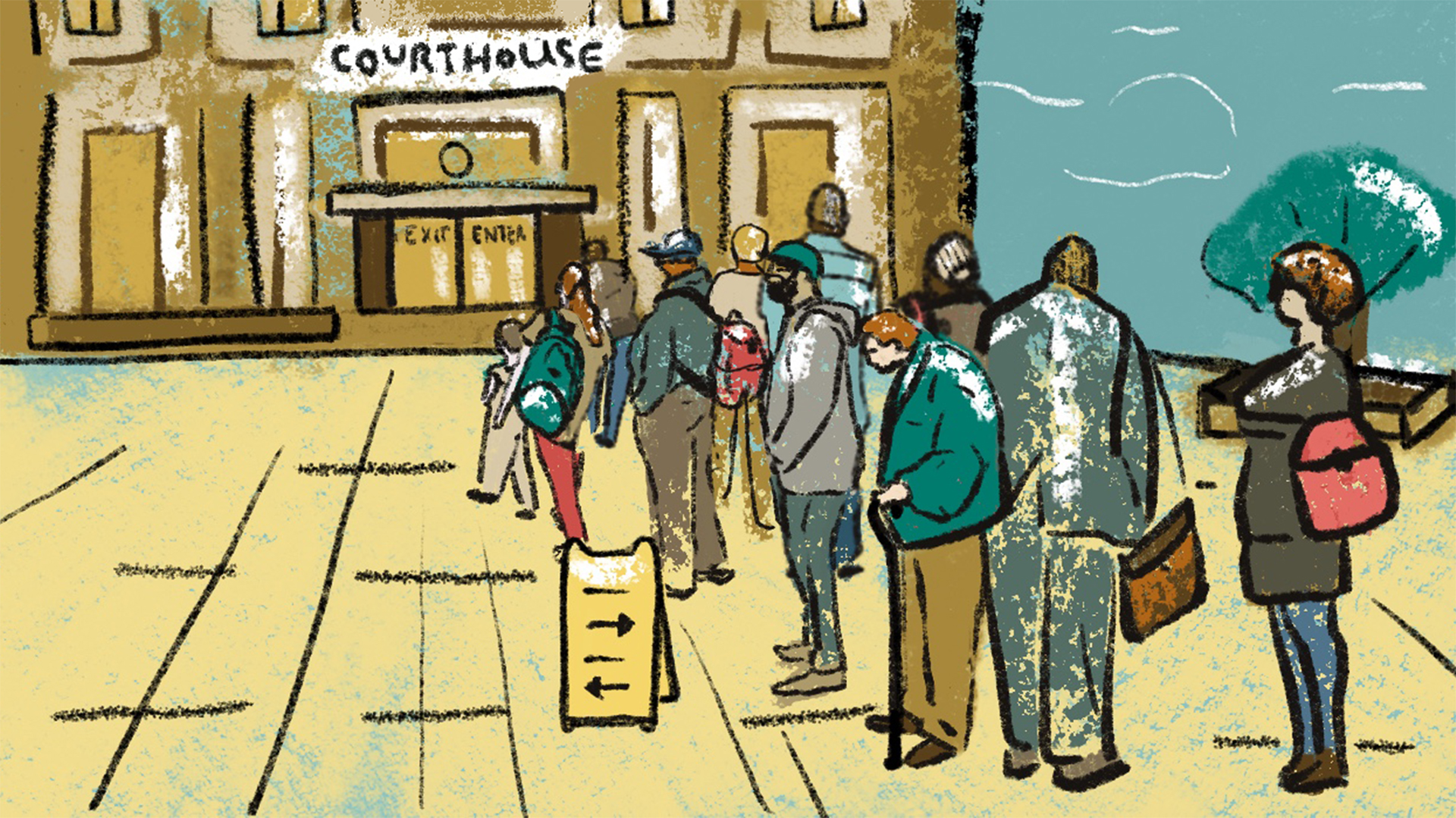
With consumer prices rising throughout the country, Americans are feeling the pinch at the grocery store and the gas pump, and they are accumulating “survival debt”—liabilities accrued to pay for everyday expenses. As more people struggle to make ends meet and consumer debt reaches record highs, financial stress is rising.

New research from The Pew Charitable Trusts sheds light on how people in the U.S. feel about court reminders and why people miss court. The results suggest that court reminders aren’t only effective—they’re popular, too.

State trial courts in the U.S. tend to rely on funding from similar types of sources—among them, state and local general revenue funds, fines and fees, taxes, and federal grants—but their budgetary structures are complex and not always clear to policymakers or even court leaders. Greater understanding of how money moves through court systems can help ensure that their operations are sustainable and fair, and that courts work in ways that bolster public trust.


