New Report Shows How U.S. Can Reduce Plastic Waste, Pollution and Costs
Policies on packaging and microplastics could help address troubling trends
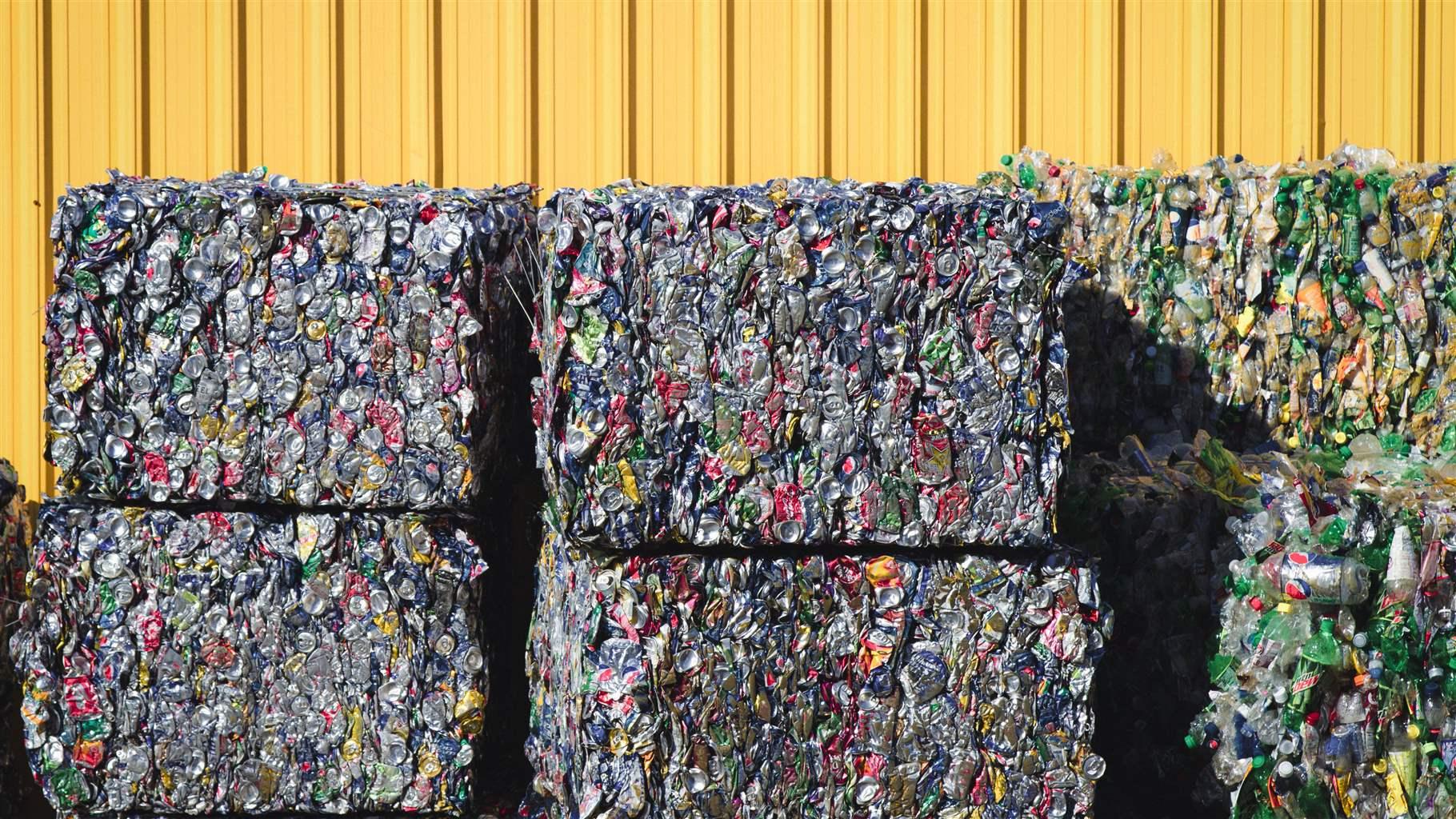
Plastic is pervasive in modern society, used in virtually every sector of the global economy and every aspect of human lives. This has led to a 20-fold increase in global production of plastic over the past 60 years, with about one-fifth of that rise occurring in North America.
Further, experts project that U.S. plastic consumption will more than double from 2019 to 2060, which means that plastic waste and pollution will probably increase significantly without actions to counter these trends.
Around the country, policymakers and experts acknowledge that reducing and managing plastic waste and pollution present a challenge, particularly the expense and trade-offs of policy strategies. States are tackling these issues through a variety of approaches that address different parts of the value chain (for example, product design, consumption, collection, recycling and waste management).
A technical white paper produced by The Pew Charitable Trusts, with support from consulting firm ICF, analyzes how U.S. policy could affect plastic packaging and textile and tire microplastic waste generation, waste management, pollution and select associated economic impacts.
Seven partners helped to shape the project scope and provided strategic support: Monterey Bay Aquarium, the San Francisco Estuary Institute, The Recycling Partnership, the University of Georgia, Upstream, U.S. Plastics Pact, and World Wildlife Fund.
Building on the 2020 report “Breaking the Plastic Wave”—which was based on research by Pew and Systemiq and an accompanying scientific article published in the journal Science—this study compares a business-as-usual scenario with the potential impact of a suite of policies focused on managing plastic packaging in municipal solid waste and microplastics from textiles and tires.
We evaluate policy impacts on tonnage of plastic managed, aquatic and terrestrial pollution, open burning, greenhouse gas emissions, jobs and system costs and present a summary of key findings.
Solutions to vastly reduce plastic waste and pollution already exist. Our analysis shows that if policymakers, businesses and consumers all play their parts, the U.S. could significantly shift current trends.
People


/16x9_m.jpg?mw=1820&hash=4C8AC0442DCF39C08321E82F1DA91C38)


