Pew Recommends Steps to Strengthen Plans for Alaska Seaweed Farming
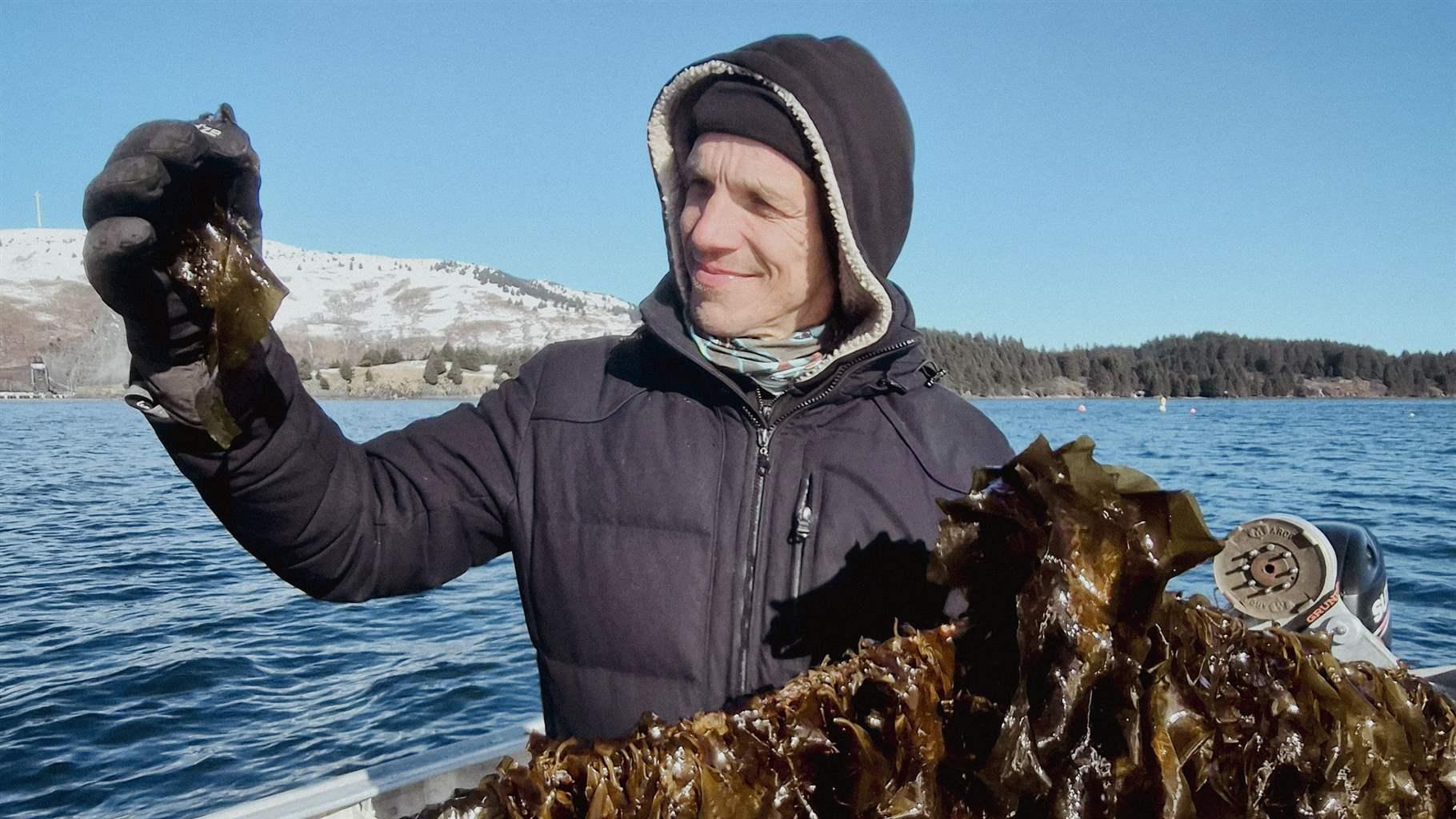
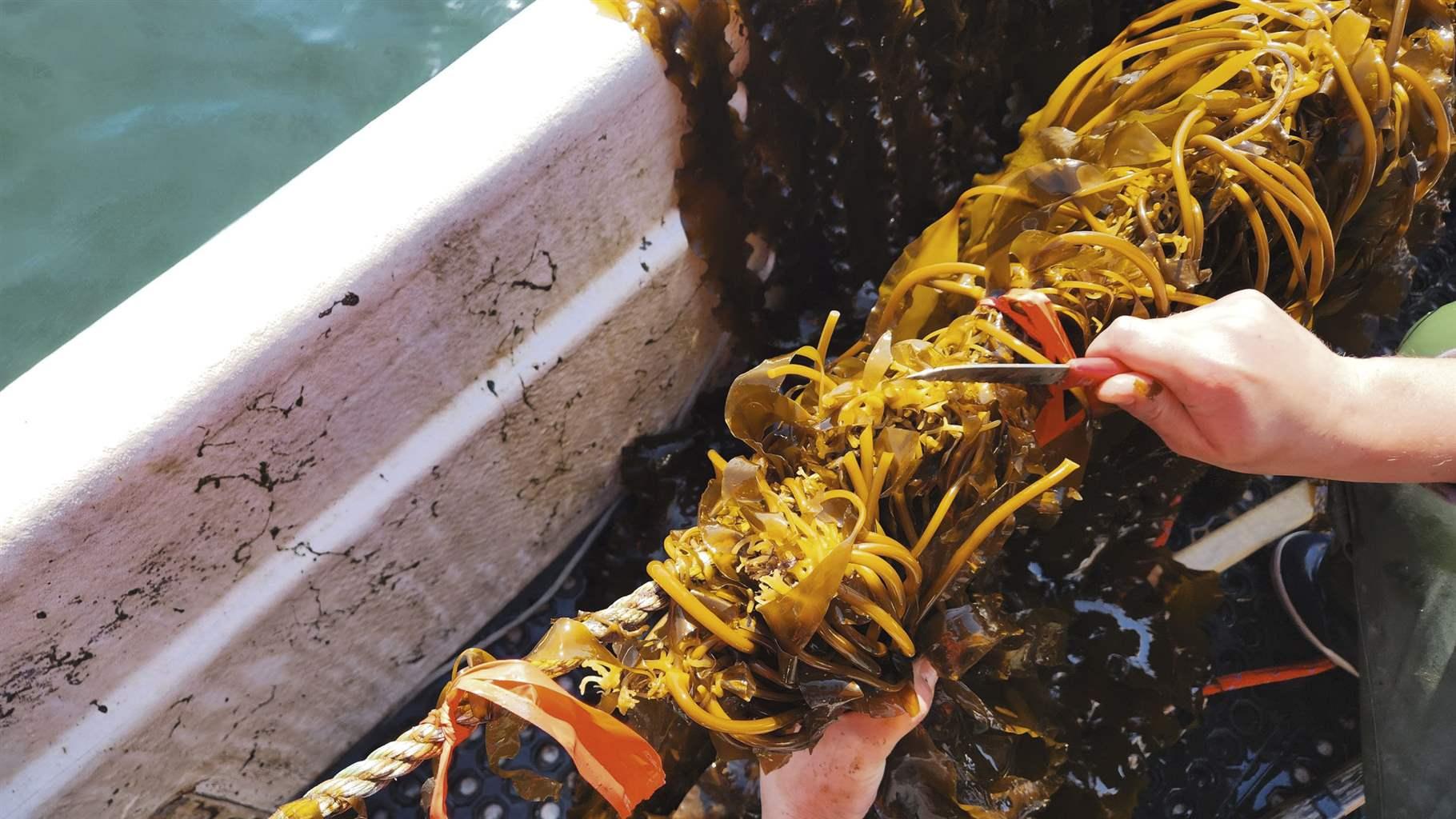
In May, The Pew Charitable Trusts submitted comments to the National Oceanic and Atmospheric Administration (NOAA) regarding the next step in the agency’s plan to identify Aquaculture Opportunity Areas (AOA), including sites that are environmentally, socially, and economically appropriate to support seaweed farming in Alaska state waters.
In its comments, Pew recommended that NOAA use the upcoming programmatic environmental impact statement (PEIS) to better account for regional differences in environmental baseline data, clearly identify data gaps and uncertainties, and evaluate cumulative impacts at both local (bay-scale) and regional scales, including scenarios with multiple farms in a single body of water.
Pew also emphasized the importance of meaningful Tribal engagement throughout the PEIS and broader AOA process, recommending that Tribal perspectives and Indigenous knowledge inform planning from the outset and that data sovereignty—such as the rights of Tribes to govern the ownership, access, and application of data derived from their lands, waters, and knowledge systems—be respected. Together, these steps will help ensure that AOA development reflects local priorities, supports informed decision-making, and builds trust with Tribal communities.
Through these recommendations, NOAA can help ensure that the PEIS will support transparent siting decisions, reduce uncertainty for prospective farmers, and assist in the sustainable growth of the seaweed farming industry.
People