Seaweed Farm Monitoring: A Cross-Border Conversation on Ecological Indicators, Indigenous and Western Science Systems, and Practice
Webinar will launch new report that can support policy and regulatory discussions in Alaska and British Columbia
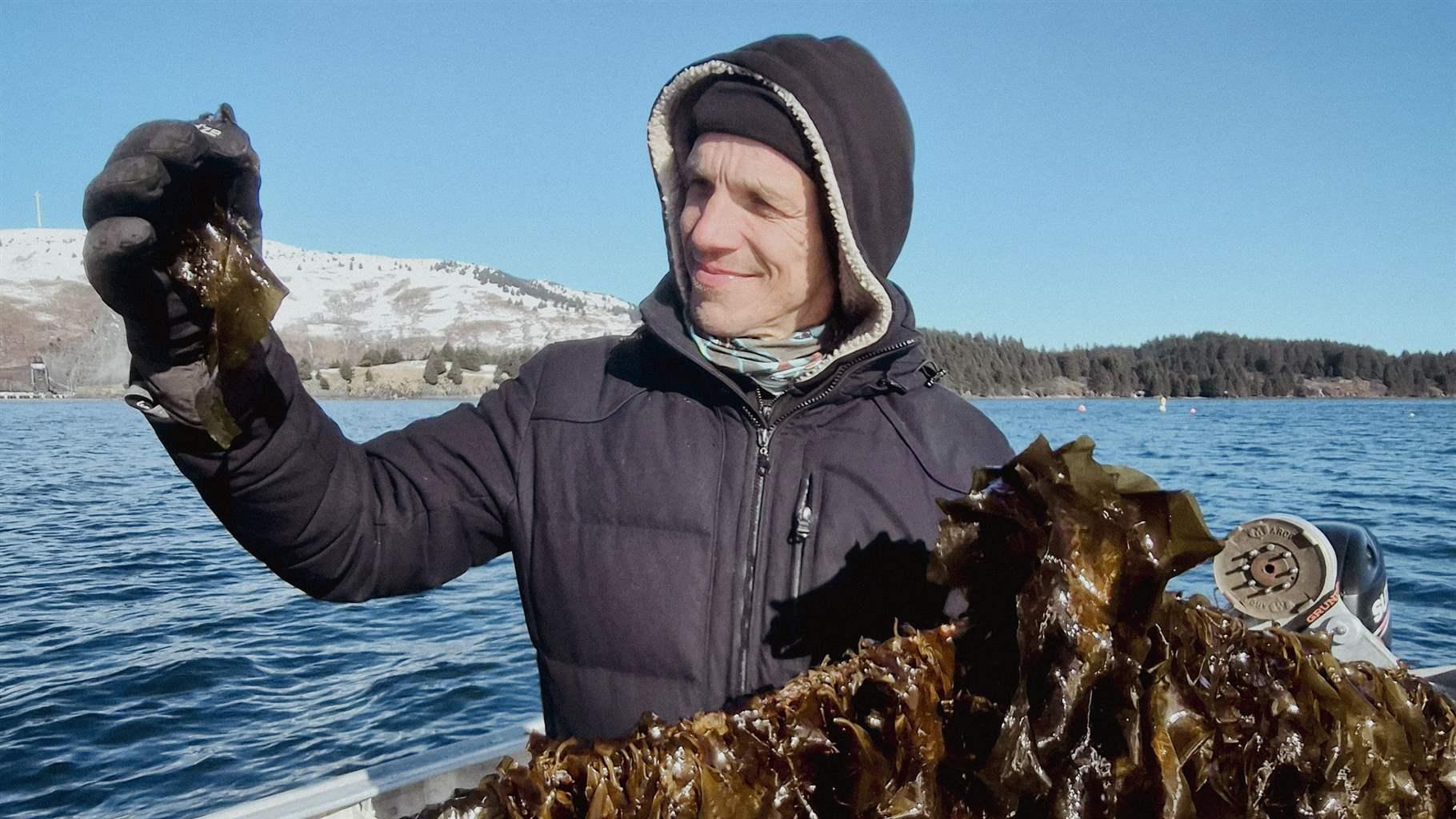
As seaweed farming expands across Alaska and British Columbia, researchers, farmers, regulators, and communities are asking important questions: How can we better understand the effects of seaweed farming? What should be monitored and how? How can Indigenous knowledge and Western science help guide the decisions? How do cultural and community priorities factor in these choices?
On Sept. 29, The Pew Charitable Trusts will host a webinar launching a new report funded by Pew and co-authored by ESSA Technologies Ltd., the Prince William Sound Science Center, the National Oceanic and Atmospheric Administration Alaska Fisheries Science Center, and Pew, which identifies and evaluates environmental monitoring indicators that are relevant to seaweed farming in the region.
Join researchers and practitioners from Alaska and British Columbia for a candid conversation about the current approaches, challenges, and opportunities in seaweed farm monitoring. Speakers include:
- A scientist presenting a summary of the report, which is the first systematic evaluation of environmental indicators for seaweed farming in the region.
- A representative from an Indigenous-led research team examining how Indigenous knowledge and Western science can complement one another.
- A research scientist from a commercial seaweed farming company sharing a farm-based example of environmental monitoring designed to address questions from First Nations partners.
- An Alaska-based mariculture specialist on what makes seaweed farm monitoring information useful.
Together, the speakers will talk through existing knowledge, remaining uncertainties, and how to build monitoring that farmers, communities, and scientists can trust and use.
A Q&A session will follow the presentations.
People

Media Contact
EVENT DETAILS