EU Should Seize Opportunity to Curb Microplastic Pollution From Apparel
Emerging law should address synthetic fibres that are shed throughout garment life cycle, harming nature and people
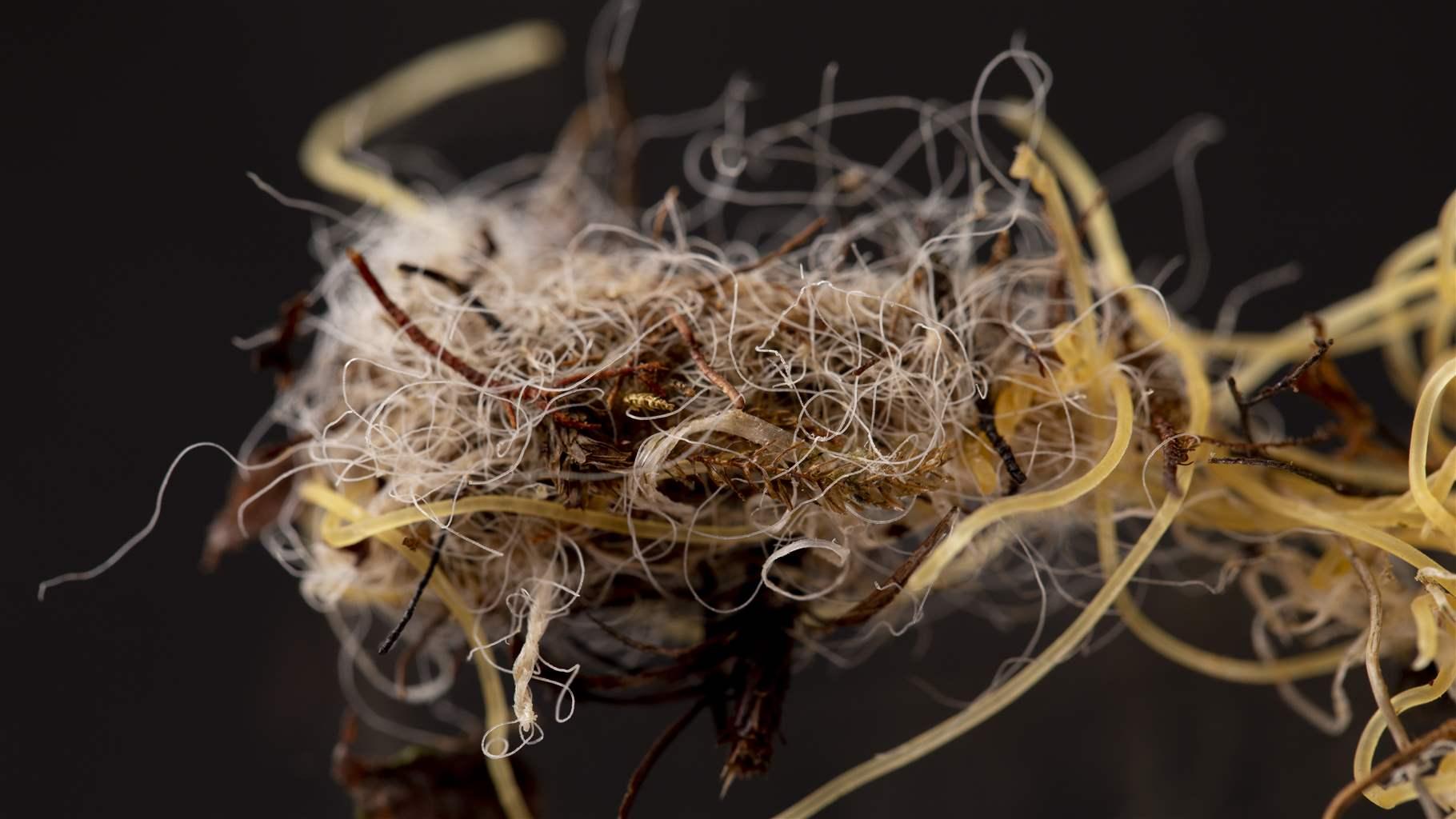
Every time someone gets dressed, washes their clothes or simply takes a breath indoors, they are exposed to—and often surrounded by—plastic fibres. In the European Union, synthetic fibres, including polyester, acrylic and nylon, make up about 60% of clothing and 70% of household textiles, making textiles the fourth‑largest source of microplastic pollution after paints, tyres and industrial pellets. Yet EU policymakers continue to largely overlook microplastic pollution from textiles.
How synthetic fibres pollute—and why that matters
When most people hear about plastic pollution, they probably picture visible waste, such as litter covering beaches or clogging rivers. But as science is increasingly showing, plastic microfibre shedding is a large and pressing source of pollution for nature and people.
These particles are released at every stage of a garment’s life cycle—shedding constantly from production to everyday wear to disposal. Nearly half of total microfibre emissions occurs during textile production, with the rest released through washing, drying and wearing. A single load of laundry can release hundreds of thousands of microplastic fibres, and, collectively, washing machines worldwide shed billions of fibres each day; tumble dryers contribute millions more.
Regardless of when they are shed, these microscopic fibres drift into the air we breathe, contaminate water and flow into rivers and oceans, and are spread across farmlands through wastewater sludge—and often end up in food. Once in the environment, they can be ingested by and harm animals, insects and other organisms. Further, microplastic fibres and fragments have been found in numerous food and drink items—including the tissues of dairy and beef cattle, edible plants, seafood, beer, tap water and bottled water. Microplastics from textiles also pose a risk to human health, with adults estimated to ingest or inhale tens of thousands of particles each year. Evidence shows that microplastics have been detected in human organs such as the lungs, in circulating blood and placental tissue, and in other body tissues, including those of the stomach and reproductive system. Occupational studies of textile and flock workers have linked chronic, high levels of microfibre inhalation to respiratory disease.
How EU policy can address the problem
The EU’s Ecodesign for Sustainable Products Regulation (ESPR), which entered into force in 2024, establishes a framework applying to nearly all physical goods placed on the EU market. Rather than setting product-specific requirements directly, the ESPR empowers the European Commission to adopt “delegated acts” with requirements for priority product groups. The regulation identifies textiles as one such group, and an ESPR delegated act for textiles is under development, with adoption expected by 2027.
Once adopted, this measure could be used to address environmental impacts associated with textile products, including microplastic fibre shedding across the product life cycle.By requiring shedding thresholds, aligned testing standards, improved product design, pre-market washing with filtration and advanced effluent treatment in manufacturing, the ESPR could help reduce microplastic pollution from textiles.
The good news is that solutions already exist to stem microplastic pollution from textiles. The most effective interventions start during design and manufacturing. Fabrics made with tighter yarns or denser fabric constructions can significantly reduce fibre loss, and industrial pre-washing with filters can capture most of the fibres that would otherwise be released when a garment is first washed. Once clothes are in consumer hands, measures such as washing-machine filters, gentler laundry cycles and improved dryer technology can further reduce emissions.
A call for ambitious action
To make these solutions widespread, EU policymakers should harmonise standards and adopt a comprehensive framework that targets and reduces microfibre pollution along the full life cycle of textiles, including production. This should include ensuring manufacturers use fabrics that last longer and shed far less microfibres. No single policy will solve the problem.
The ESPR offers a unique opportunity to cut microplastic emissions at the source, safeguard ecosystems and protect human health. Over the coming months, the European Commission will consult with stakeholders to shape the ESPR’s textile measure.
The Pew Charitable Trusts will engage constructively in this process, including by offering policy recommendations based on the best available science and collaborating with partners to help ensure that forthcoming measures are ambitious, enforceable and capable of delivering measurable reductions in microplastic pollution.
Selene Álvarez Peña is a principal associate and Natacha Tullis is a senior officer with The Pew Charitable Trusts’ preventing plastic pollution project.
People


