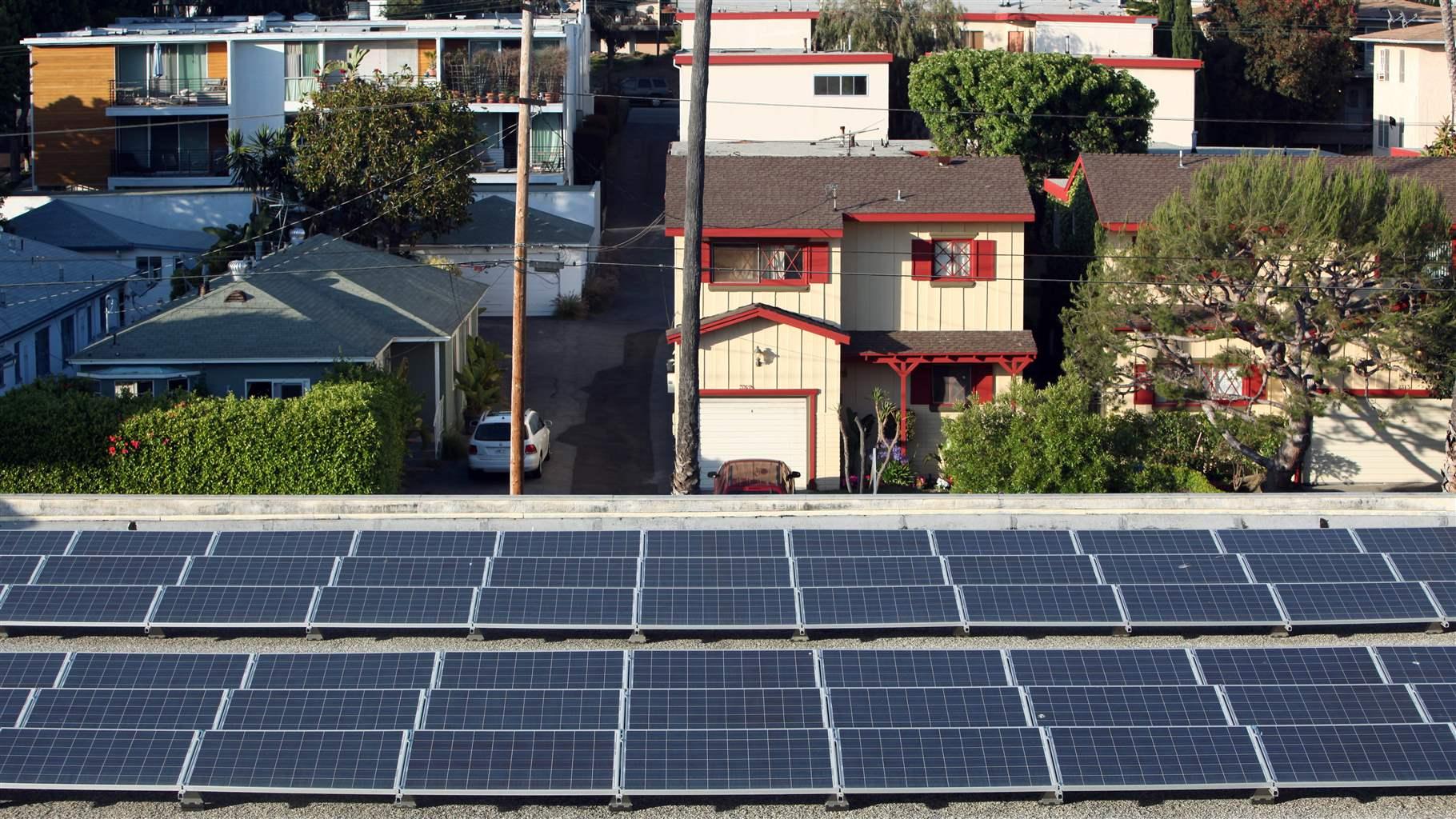
With Surplus Interconnection Service, Ohio and Pennsylvania Could Unlock Gigawatts of New Energy
Two studies reveal a path to connecting additional power resources quickly and at low cost

After decades at a plateau, U.S. electricity demand has climbed in each of the past five years and shows no sign of abating. New energy resources are required to meet that demand, but the complex reviews necessary to safely connect them have left grid operators struggling to process applications and delayed the more than 2,060 gigawatts (GW) of generation and storage capacity waiting to come online across the United States.
In Ohio and Pennsylvania, any new energy resource, such as a solar farm, natural gas plant, or utility-scale battery, typically takes more than five years to move from application to operation. Meanwhile, generation costs across the region are set to surge from $29 to $333 daily per megawatt of capacity. But recent research highlights a promising opportunity—one that is hiding in plain sight—to lower costs and quickly unlock gigawatts of new energy: maximizing existing grid infrastructure through a mechanism called Surplus Interconnection Service (SIS).
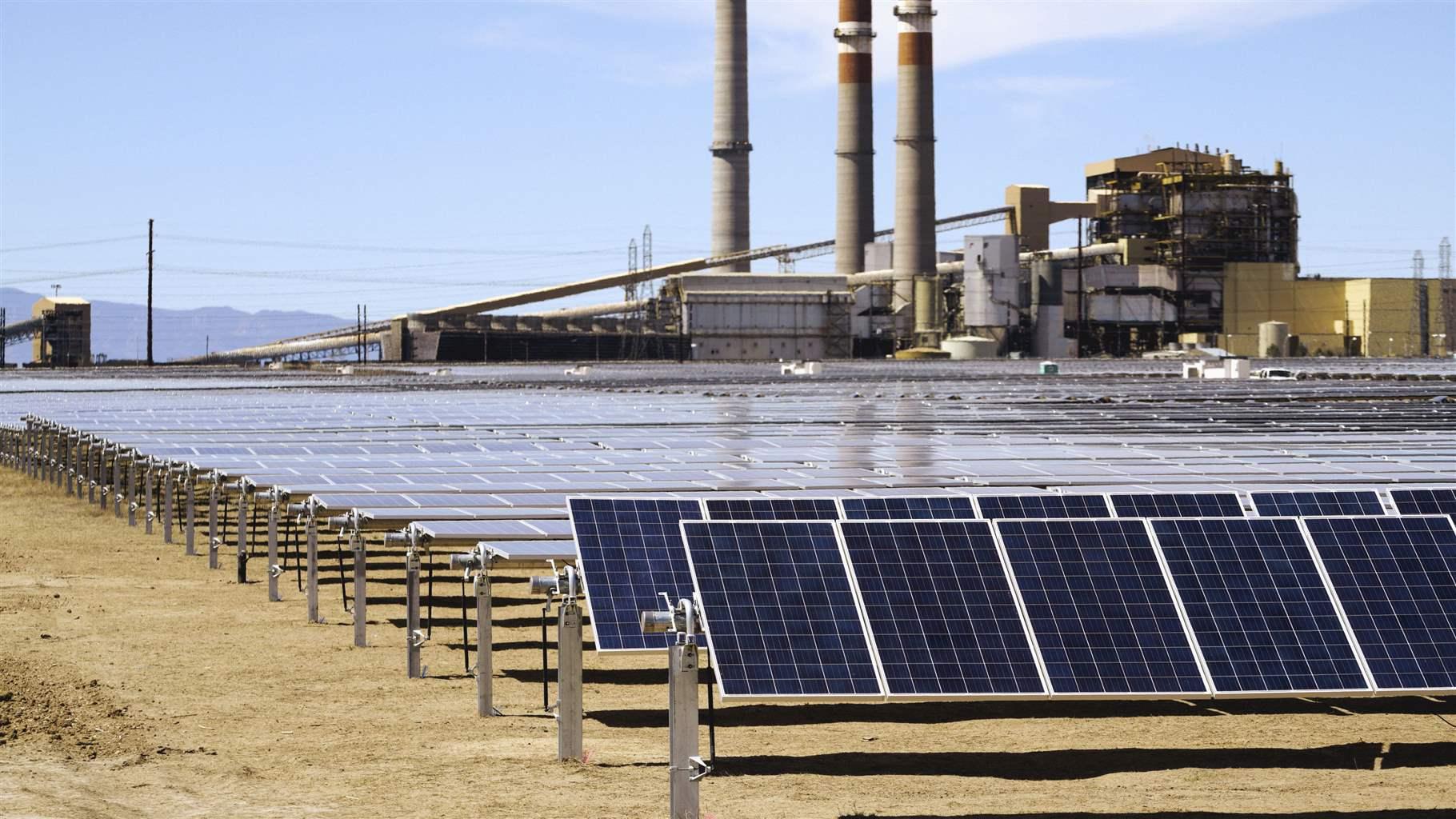
Many power plants operate well below their maximum potential output for much of the year, leaving part of their approved grid connection capacity unused. SIS allows new energy resources—for power generation or storage—to connect to the grid by using the “surplus” capacity of the existing power plant, rather than undergoing the time-consuming process of obtaining new connections.
In other words, SIS allows new resources to piggyback on grid connection capacity that otherwise would sit idle. For example, a natural gas plant that operates only a few months of the year at peak demand could add solar to send power to the grid when the gas plant is not operating. Similarly, an existing solar farm could add battery storage to send power at night, when solar power is not produced. SIS resources drive affordability by adding low-cost energy to the grid and are less likely than new power sources to create land-use concerns because they rely on existing infrastructure.
Two new studies show how Ohio and Pennsylvania, in particular, could use SIS to combat long wait times and rising energy prices.
Quantifying the SIS opportunity
To measure untapped interconnection capacity in Ohio and Pennsylvania, two teams of researchers evaluated power plants in those states, analyzing operating patterns and the types of new resources that could feasibly be added at each location through SIS. These studies demonstrate that SIS has the potential to unleash up to 37.5 GW of new energy across Ohio and Pennsylvania, with 14.8 GW of that potential at power plants that operate only a few months of the year.
Ohio could save an estimated $1.8 billion with underused grid connections
Ohio expects significant demand growth in the coming decade as manufacturing and economic development increase power needs. Fortunately, the state’s generation fleet offers ample room to bring new resources online through SIS, according to a study conducted by Roselle LLP, a law firm specializing in energy law and policy, and Umed Paliwal, a researcher at the University of California at Berkeley, with funding from The Pew Charitable Trusts.
Many power plants in Ohio are designed for peak demand or backup generation. Roughly 35% of the state’s facilities run less than a third of the year, leaving large amounts of approved but unused interconnection capacity. These sites alone could host more than 8.3 GW of new generation or storage. When researchers expanded their parameters to Ohio’s entire generation fleet, they found the state could host up to 21 GW of new resources through SIS, roughly matching the state’s projected demand growth through 2035. SIS could save ratepayers an estimated $1.8 billion in interconnection costs, or about $367 per Ohio household, and cut the time needed to bring new energy online to as little as 12 to 18 months.
Pennsylvania could vastly increase the amount of power it plans to bring online in 2026
Pennsylvania also stands to benefit significantly from SIS, according to research conducted by SilverGreen Energy Consulting, with funding from Pew, based on Paliwal’s data. The state is one of the region’s largest energy producers and is home to about a quarter of its capacity, but Pennsylvania’s aging power plants are operating less frequently as electricity demand and prices both rise. In fact, more than 30% of Pennsylvania’s thermal generation capacity sits idle for at least nine months of the year, and many thermal plants are located on large tracts of land that could host additional SIS resources. At these sites alone, Pennsylvania could realize 6.5 GW of new energy through SIS.
In total, researchers found that SIS could unlock up to 16.5 GW of new resources in Pennsylvania across existing thermal and renewable generation sites while improving reliability and insulating consumers against rising energy costs. With the state slated to add only 1 GW of new generation in 2026 through the traditional interconnection process, new SIS resources have the potential to exponentially increase new generation while saving consumers more than $1.4 billion dollars in averted interconnection costs.
Seizing the SIS opportunity
The reports from Ohio and Pennsylvania reach the same fundamental conclusion: Existing infrastructure is able to host far more energy than it does today.

Policymakers can take steps to encourage the development of quickly available, low-cost SIS resources and to ensure that states capture their full potential. Legislators and regulators can require utilities to evaluate adding SIS to their generation fleet—as Indiana and Virginia recently did—either through existing utility processes such as integrated resource plans, known as IRPs, or through other processes created expressly to identify SIS potential.
They can also explore streamlining the siting and permitting processes used for SIS projects, which are generally located at or near already-permitted power plants. State agencies can also align existing state economic and workforce development programs to promote SIS projects.
The gigawatts of potential available in Ohio and Pennsylvania through SIS can help alleviate long timelines for new power plants while driving affordability. Policymakers can act now to help their states benefit fully from the reliability, savings, and economic growth that SIS can support.
Jenny Netherton works on The Pew Charitable Trusts’ energy modernization project.
People