Indiana and Virginia Encourage a Speedy Way to Meet Rising Energy Demand
New laws leverage Surplus Interconnection Service to bring affordable power to the grid

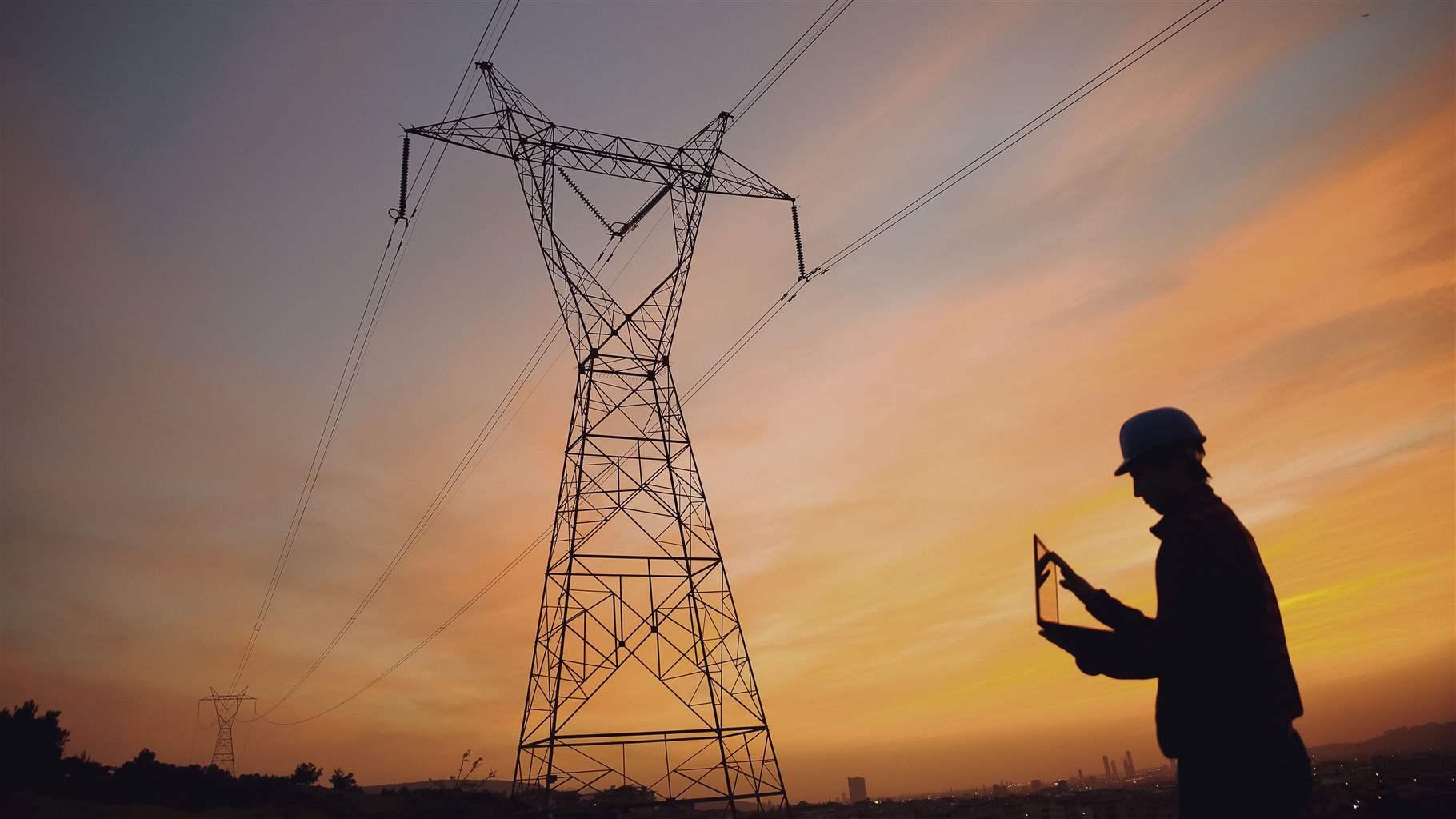
Throughout the country, policymakers are looking for ways to quickly bring new energy to the grid to meet growing electricity demand. One issue they face is timing: A new power plant can take up to four years to be approved to send power to the grid through a process called interconnection. Another issue is cost: Building new transmission lines to take power from where it is generated to where it is needed is expensive, and those costs are typically passed on to ratepayers. This year, the Indiana and Virginia legislatures passed the first laws in the United States designed to help avoid these challenges through Surplus Interconnection Service (SIS).
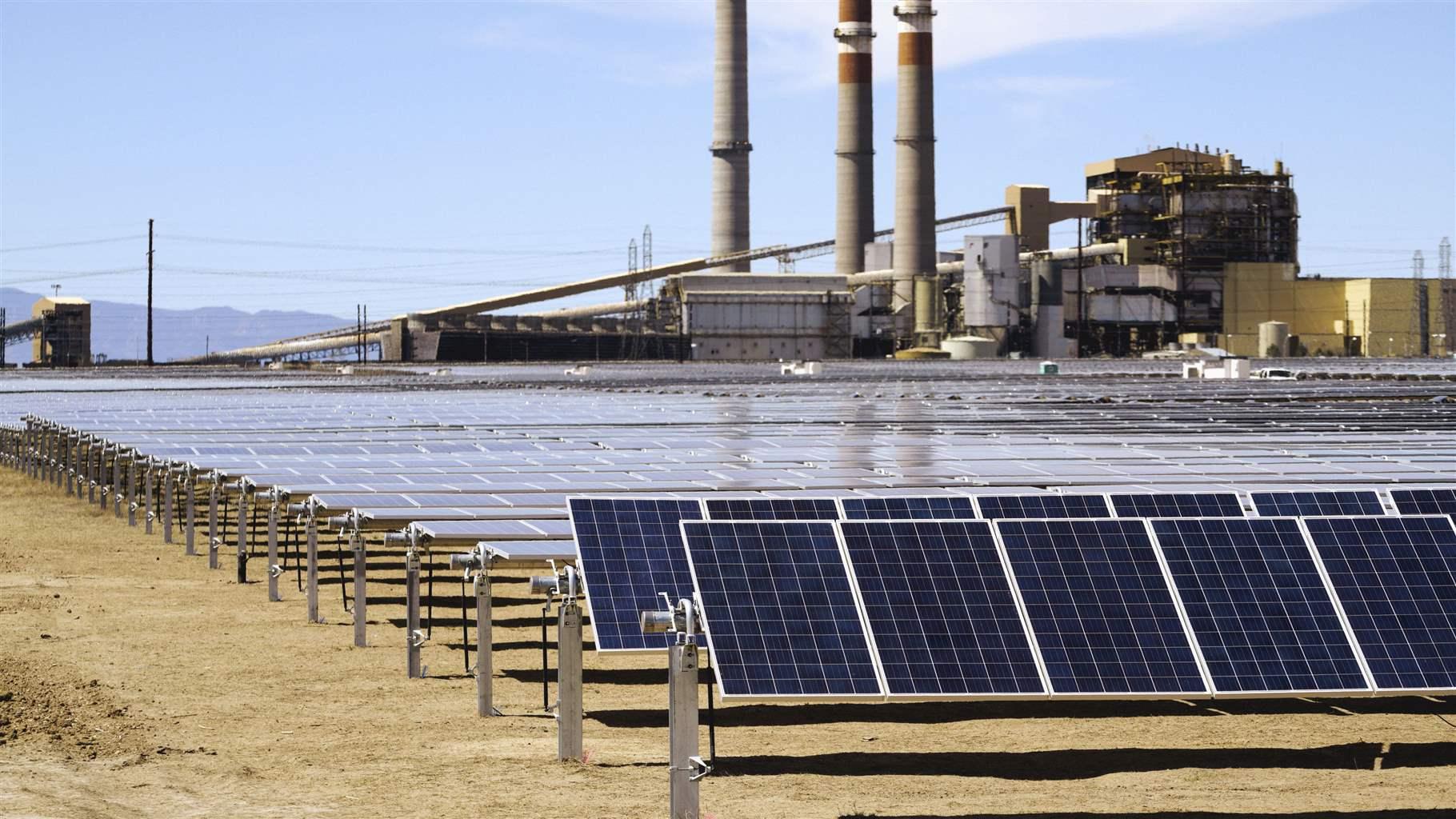
SIS is a process that allows existing power plants to share their unused interconnection capacity with new energy resources, skipping the typical years-long wait. It is possible to share an interconnection because most power plants don’t run around the clock. Renewable resources, such as wind and solar, are intermittent in their energy production and vary daily depending on weather conditions. Thermal plants, which rely on combustible resources such as coal and natural gas, may be too expensive to operate frequently, or are designed to run only during extreme temperatures. For both renewable and thermal power plants, these limitations leave the plants’ valuable interconnections idle during significant portions of the year. SIS can help states make the most of underused energy infrastructure by adding new, low-cost power generation and storage on-site at existing plants.
These “host” plants have already been approved to send power to the grid, which exempts new resources such as batteries and solar panels from lengthy interconnection queues and allows them to be added in a matter of months rather than years. By using existing infrastructure, SIS also saves consumers the expense of building new transmission lines.
Since 2023, federal regulation has required grid operators to provide a process for power plants to apply to add SIS resources. Indiana and Virginia are the first states to take further steps to encourage its use within their borders.

Indiana: Maximizing grid capacity
Indiana is well-suited to capitalize on SIS. Forty percent of the state’s power plants generate electricity for less than four months per year, leaving significant amounts of untapped capacity. To ensure that Hoosiers benefit from SIS, Indiana legislators passed Senate Enrolled Act 240, which requires utilities to evaluate their existing renewable and thermal power plants for opportunities to use SIS to unlock grid capacity and maximize existing infrastructure. The legislation passed unanimously in both the Indiana House and Senate and was signed into law by Governor Mike Braun (R) on March 5.
“We need to use every tool in the toolbox to meet Indiana’s growing energy demand and keep prices low for consumers,” said Senator Eric Koch (R), who authored the bill. “SIS is the fastest way to bring new resources online, and it also helps protect Indiana ratepayers by reducing the need for expensive new transmission lines.” Koch added that the technology “will help us get more out of our existing infrastructure.”
Indiana’s legislation applies to all power plants. State regulators will pursue additional research on how SIS can further benefit Indiana.
Virginia: Getting more out of solar farms
Virginia also is turning to SIS to bolster its grid, with a focus on increasing capacity at solar plants. S.B. 508, the Facilitating Access to Surplus Transmission (FAST) Act, requires utilities to evaluate solar farms for opportunities to add battery storage and establish pilot programs to install batteries at the identified locations. Signed by Governor Abigail Spanberger (D) on April 22, the legislation aims to convert Virginia’s solar resources into “dispatchable” assets that can be called upon when needed.
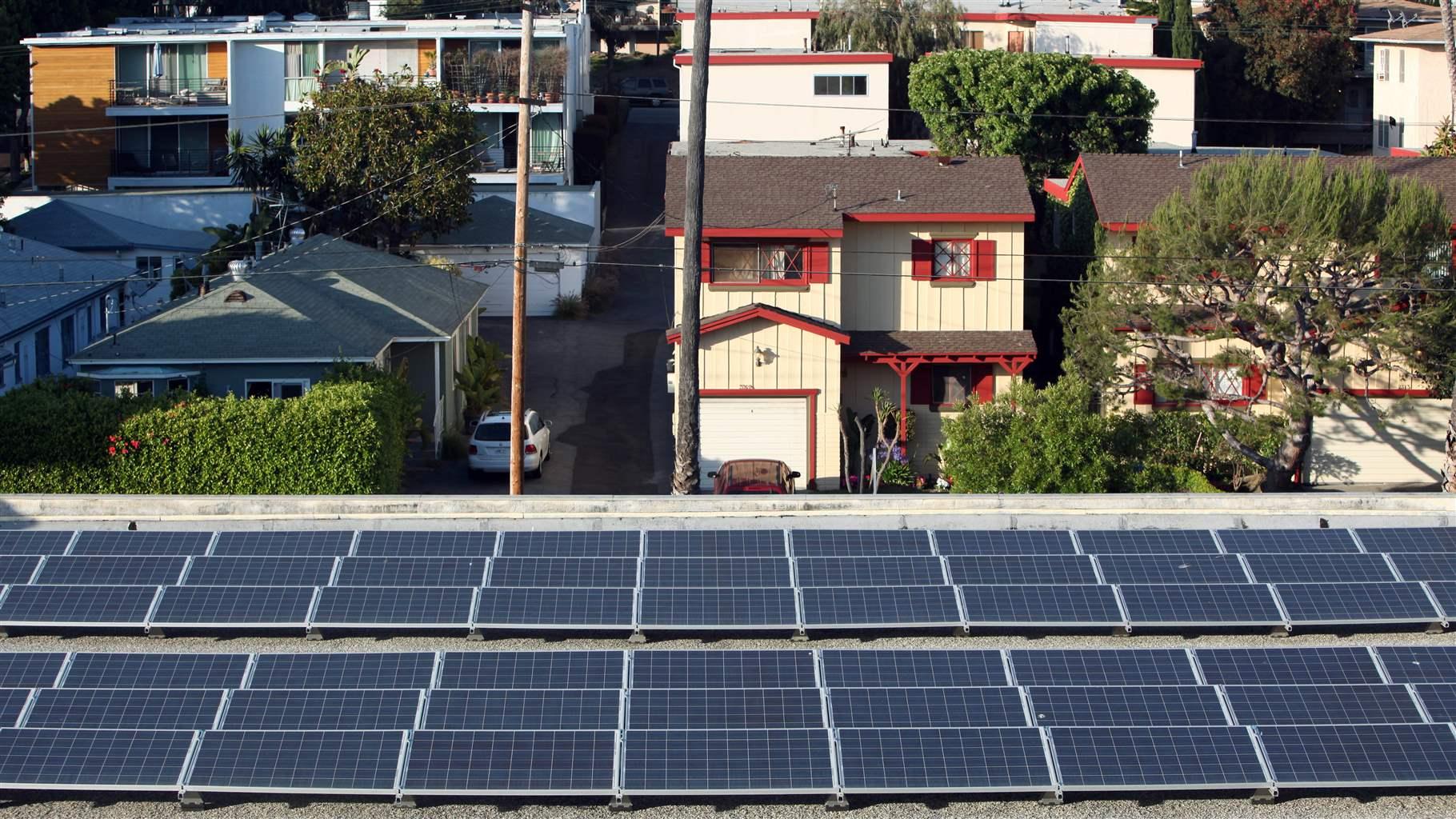
Solar farms produce energy during the day when demand is often low and do not generate power in the evening when demand spikes. Using storage added through SIS, Virginia’s solar farms can charge batteries during the day and dispatch that power later when demand is higher. Over time, this legislation will help the state’s grid respond quickly to high-demand events with low-cost solar energy stored by batteries, improving affordability for Virginians.
Emerging policy on SIS
Surplus interconnection service is gaining momentum because it provides a quick path to connecting new, affordable energy to the grid. States across the nation can emulate Indiana’s and Virginia’s examples to make sure their residents benefit to the fullest from this practical solution.
Jenny Netherton works on The Pew Charitable Trusts’ energy modernization project.
People