Chile Celebrates Its National Parks’ Centennial
From deserts and forests to fjords and glaciers, the country’s park system protects an invaluable legacy for future generations
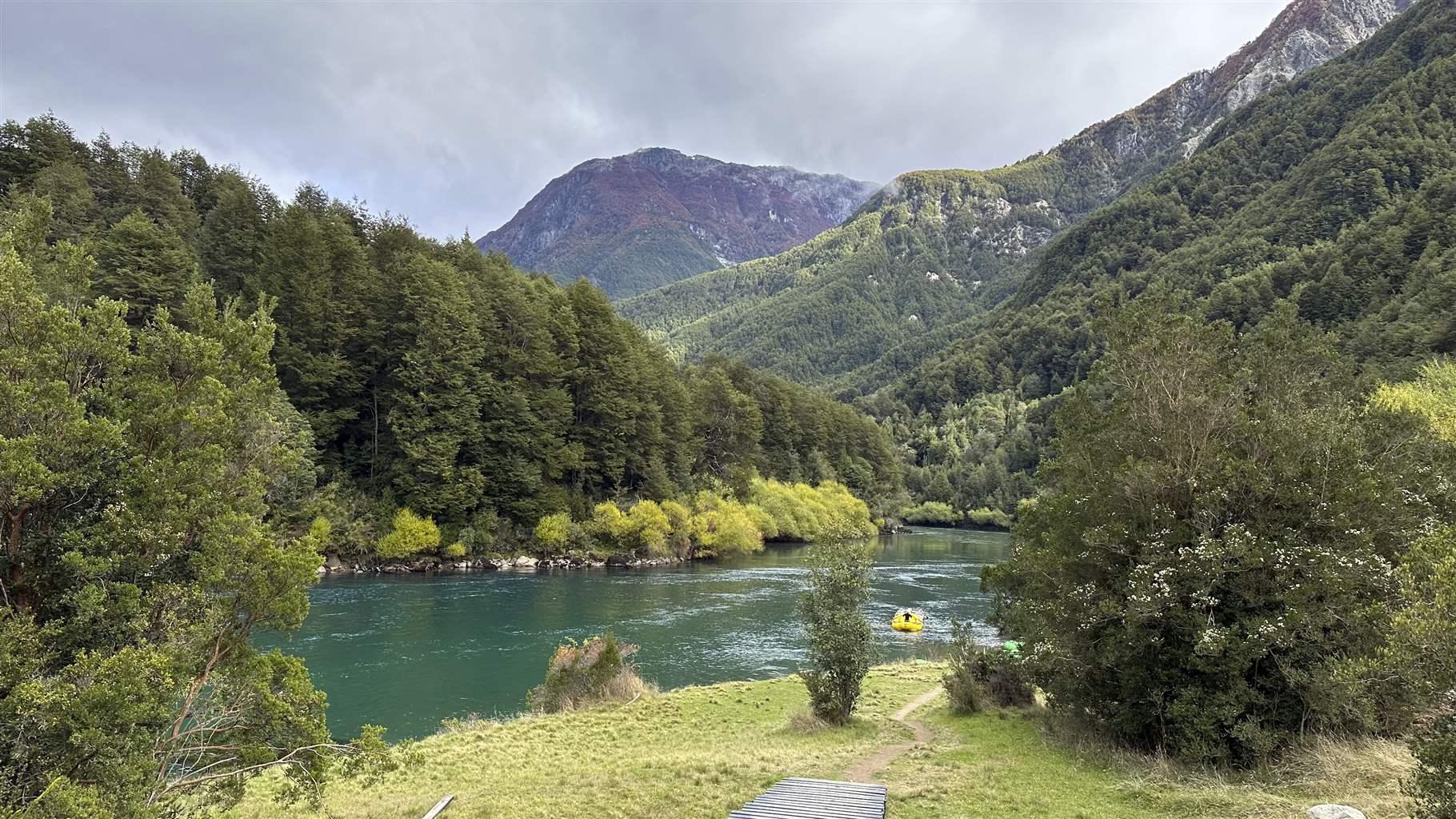
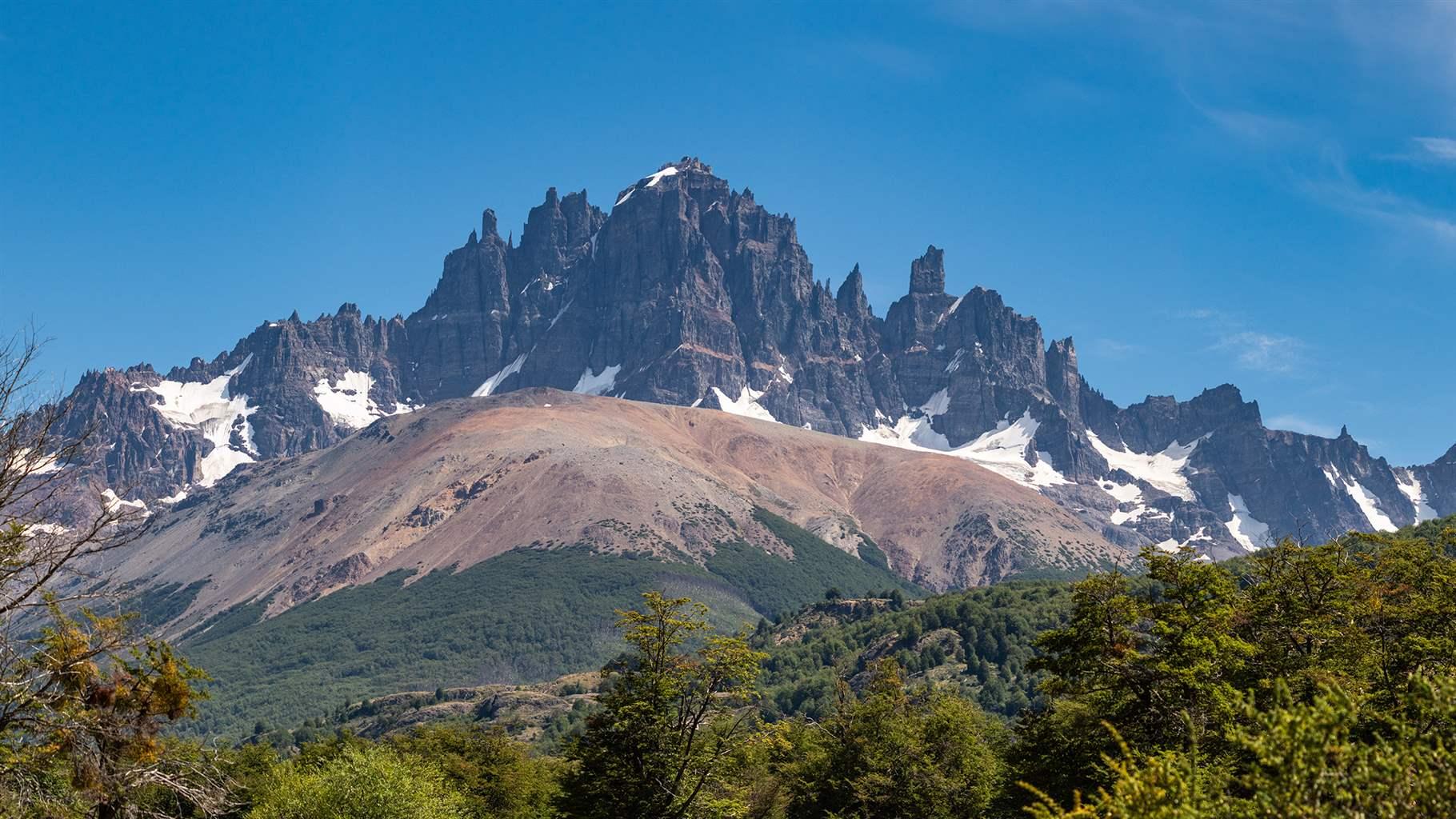
On Aug. 17, 1926, Chile took a decisive step toward protecting its natural heritage with the creation of what is now its oldest national park, Vicente Pérez Rosales National Park in the Lake District, whose turquoise waters, variegated terrain, and forests provide habitat for pumas, river otters, kingfishers, hummingbirds, and myriad other species. Now, 100 years later, the country’s national park system protects an extraordinarily diverse array of ecosystems, ranging from the world’s driest desert—the Atacama—and Mediterranean forests to temperate rainforests, fjords, glaciers, wetlands, and sub-Antarctic landscapes.
This centennial provides a key opportunity not only to celebrate a century of successful conservation work but also to reflect on the future of these protected areas, whose value extends far beyond Chile’s borders. The country’s 46 national parks protect ecosystems that help regulate the climate, store carbon, conserve freshwater resources, and support migratory species, and they form the foundation for Chile’s reputation as a world-class nature tourism destination. At the same time, the parks also help ensure sustainable economic development.
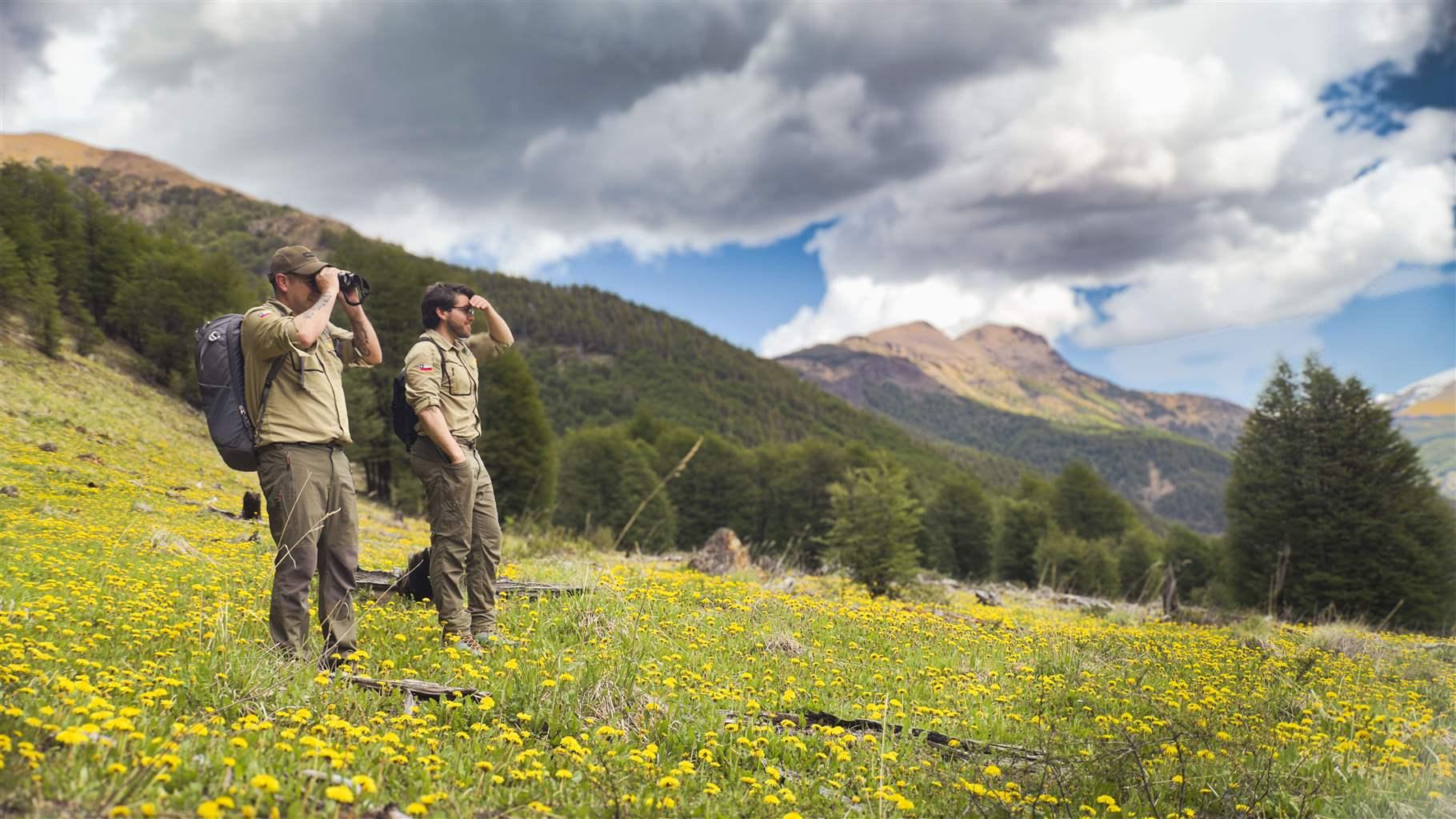
When backed by sufficient funding, solid planning, and effective management, protected areas can create jobs, strengthen nature-based tourism, support local small businesses, and open other new opportunities for residents in surrounding communities. International studies have shown that investment in conservation can translate into long-term economic and social benefits while also protecting these areas and their natural resources.
Watch this video to learn more about the social, cultural, and ecological legacy that Chile’s national parks help to protect.
People