To Keep the Power On During and After Storms, Leaders Should Look to Distributed Energy
Distributed Energy Can Keep Power Flowing in Emergencies

In Mills River, community members recently came together for AMPlify Appalachia to celebrate—with live music and craft beer—their energy and resilience since Hurricane Helene swept through North Carolina nearly a year ago.
After the hurricane caused 108 deaths and more than $60 billion in damage, AMPlify Appalachia offered people a space where they could process a year filled with heartbreak and uncertainty. It also highlighted a growing community that is committed not only to recovery but also to building a more resilient future.
In the wake of Hurricane Helene, creation of reliable energy systems was both an urgent necessity and long-term challenge. In the immediate aftermath of the storm, distributed energy resources (DERs) proved vital in delivering lifesaving power to remote, storm-ravaged areas in the western mountains of North Carolina, where downed lines were difficult to access and repair. Thanks to organizations such as the Footprint Project, a solar microgrid at a fire station was used to run refrigerators, freezers, and communications; an atmospheric water generator was set up to keep relief teams hydrated without relying on single-use bottled water; and portable power stations were established to help residents in need of emergency medical care.
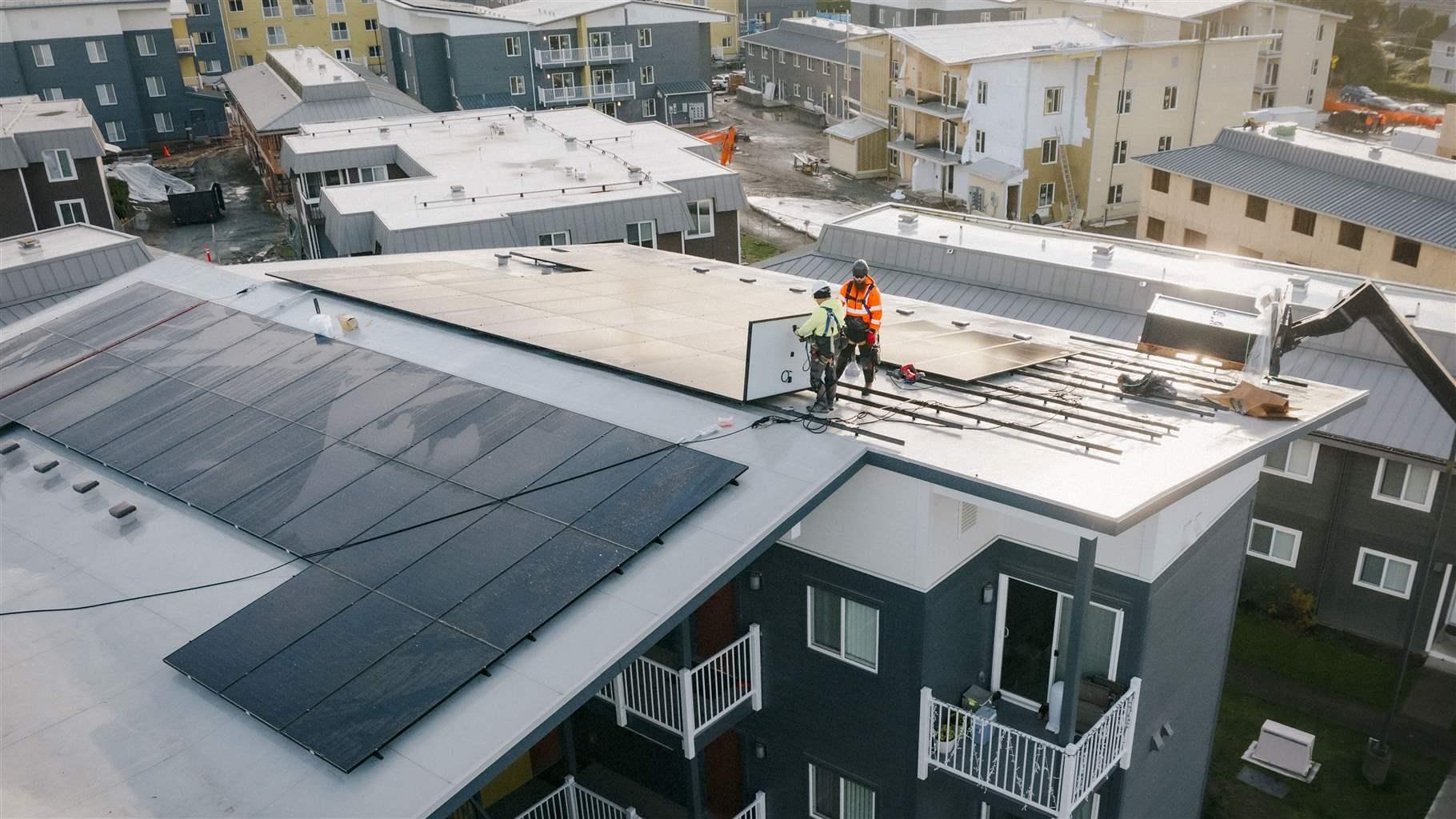
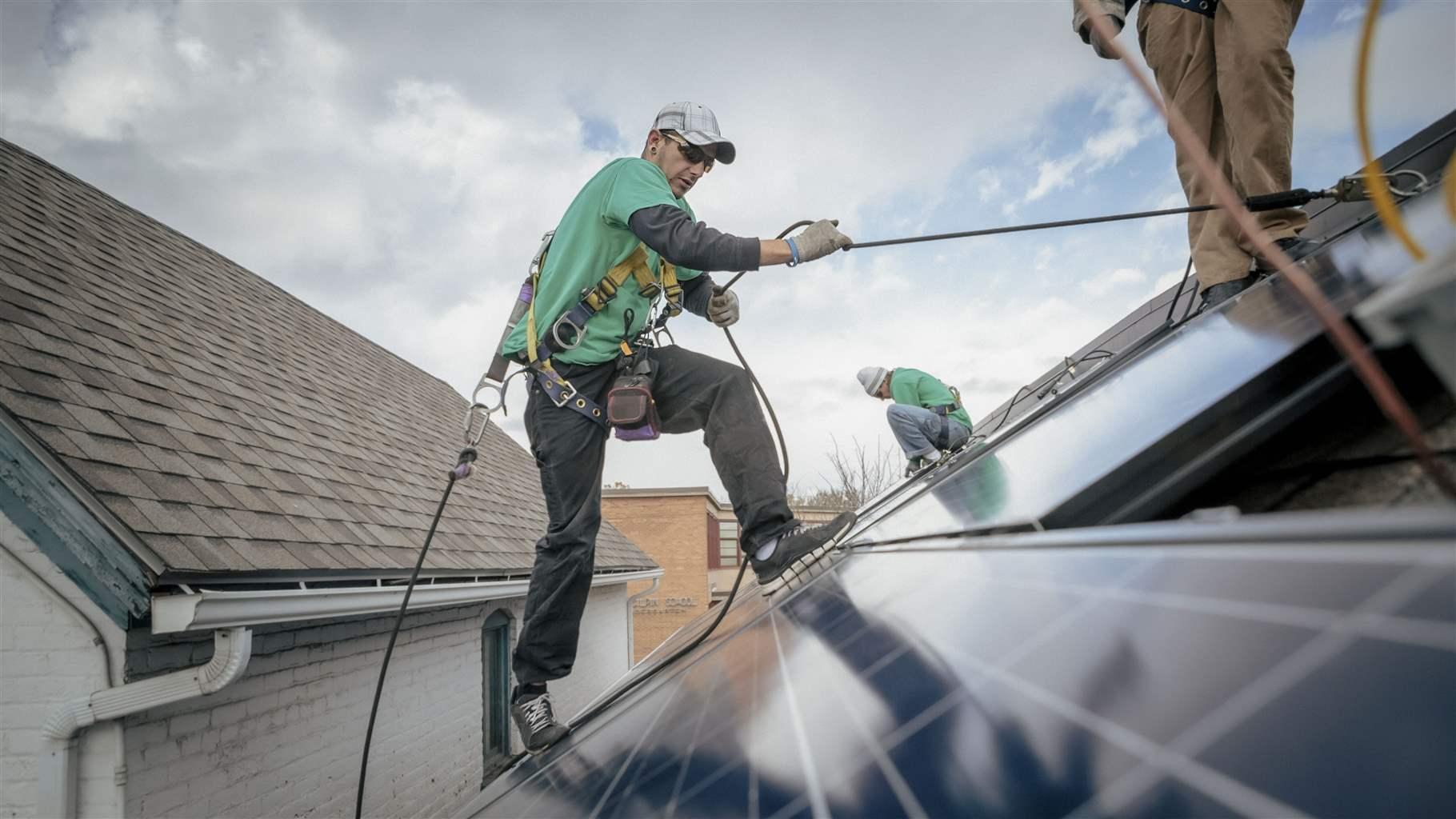
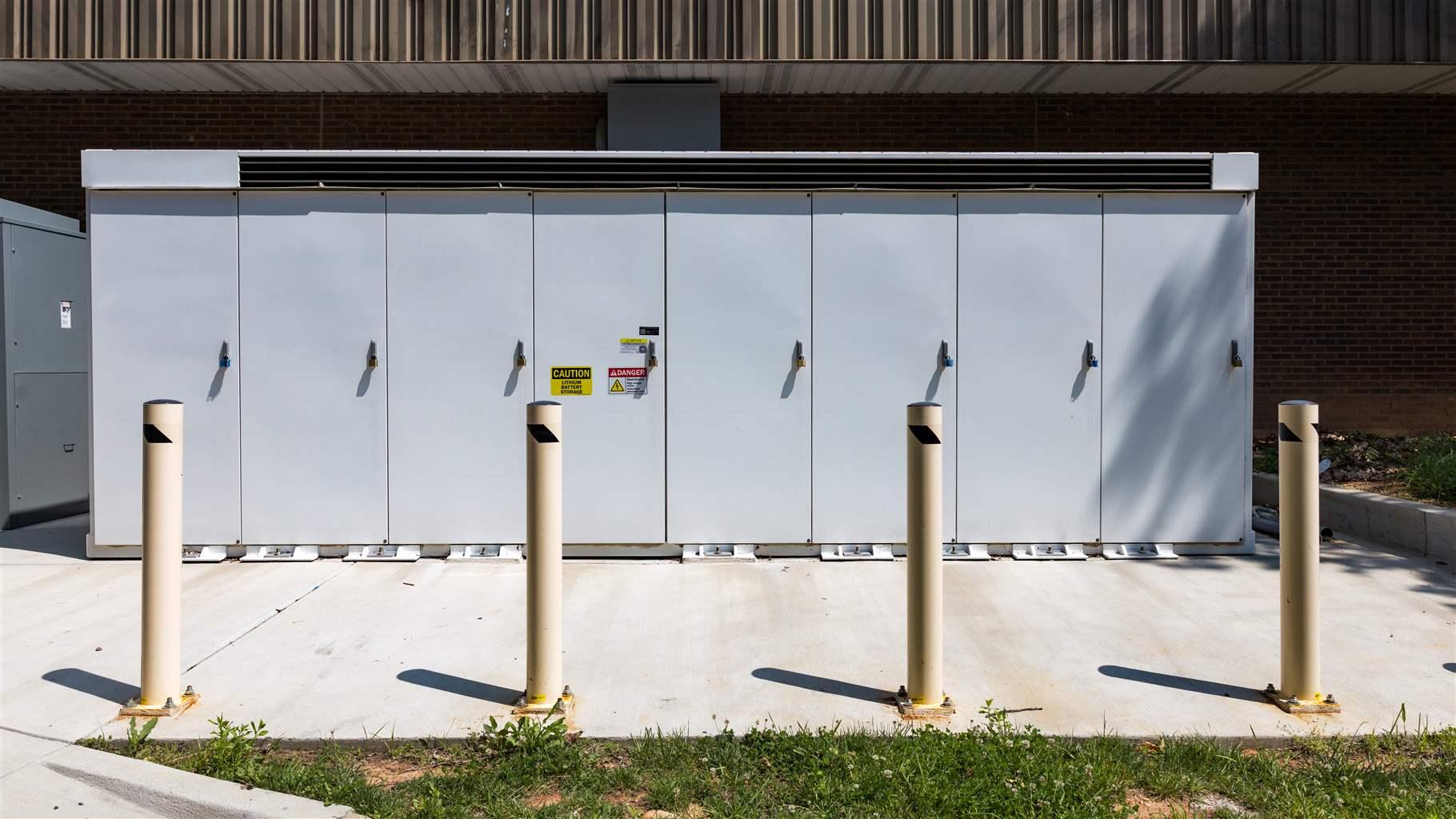
Distributed energy, which can generate, store, and deliver electricity independently from the main grid, is a highly effective way to keep electricity flowing and mitigate the risk of outages. DERs—which include battery storage, solar panels, electric vehicles, and smart thermostats—allow households, schools, hospitals, and communities to produce and store their own energy without relying solely on distant power plants. These consumer- and community-based energy resources ease strain on the central grid and can operate when storms knock the grid out.
Today, more than 60 operational DER projects support communities across western North Carolina, proving that these weren’t one-time fixes—they are the building blocks of long-term resilience. But there is more to do. By investing in widespread adoption of distributed energy now, North Carolina can build a stronger, more dependable energy system that is flexible in a crisis and able to help avert prolonged outages. And because distributed energy sources are decentralized, they can be scaled to meet the unique needs of North Carolina, from mountain towns in the west to coastal cities in the east.
Hurricane Helene was a wake-up call for communities that assumed that their distance from the coast protected them from hurricanes. It was also a sobering sign of what’s to come.
Extreme weather events like Hurricane Helene are expected to become more frequent and more destructive. Just weeks ago, the remnants of Tropical Storm Chantal caused flash flooding that closed Interstate 40, damaged homes and businesses, killed six people, and prompted numerous water rescues. At the same time, energy demand in North Carolina is rapidly growing, not only among individuals and households but also from data centers and other commercial users. Our electricity grid is at risk of being overwhelmed. According to consulting firm ICF International, electricity demand in the United States is projected to grow 25% by 2030—the fastest rate in over 70 years.
Because the grid is not built for this double threat, we can expect more disruptions, longer blackouts, and higher monthly energy costs for the average North Carolina resident. But fortunately, the Tar Heel State has been planning for a future with new, reliable, affordable energy options. For example, Duke Energy’s microgrid in the mountain town of Hot Springs offers a model for resilience that is similar to the work done through the Footprint Project. In 2023, Duke installed a solar and battery storage microgrid at the utility’s substation to serve as backup power for the town. After Hurricane Helene, this microgrid supplied power to Hot Springs for six days before the main grid was restored.
State officials, utilities, and local leaders have an opportunity—and a responsibility—to prioritize policies and programs that create a more reliable and affordable electric system through the use of distributed energy as they plan for North Carolina’s energy future.
The road to recovery in western North Carolina is long, but with tools such as solar and battery storage, this region is leading the way—not just in rebuilding, but in redefining what resilience looks like.
This piece originally ran on Citizen Times on Sept. 20, 2025.
People